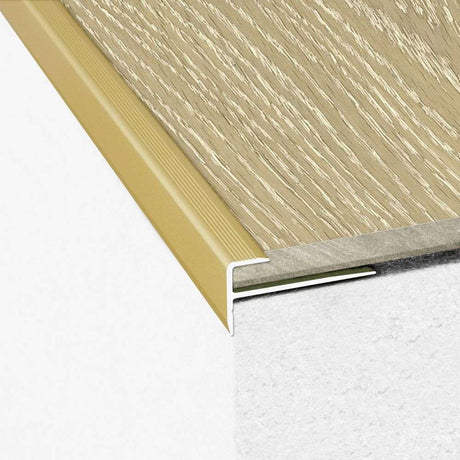
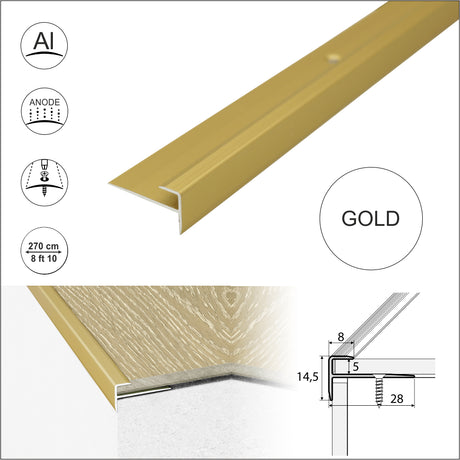
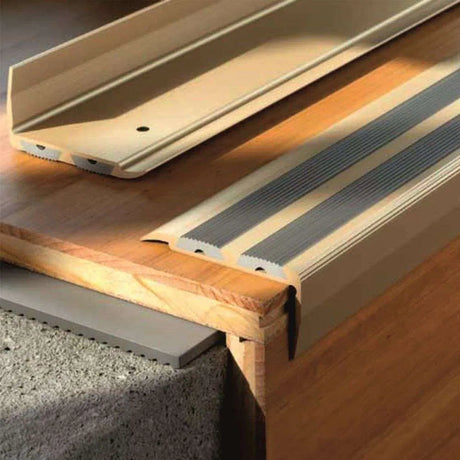
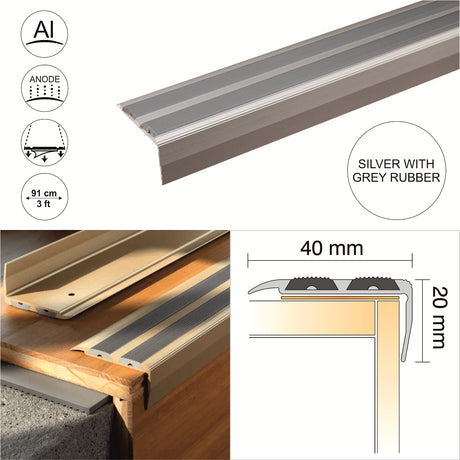
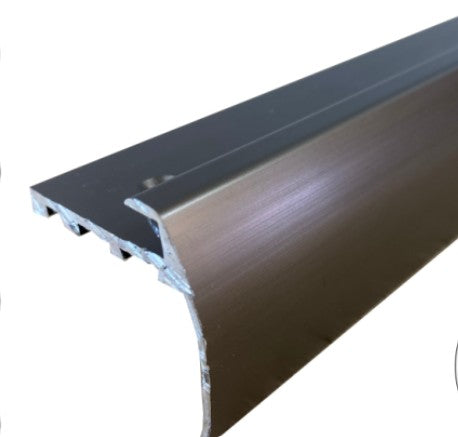
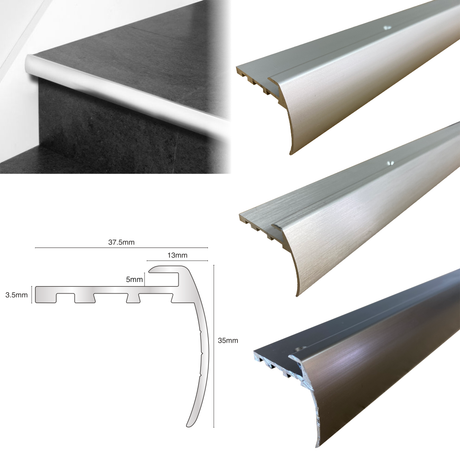
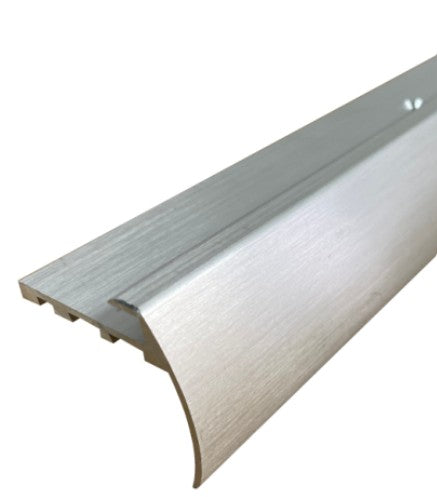
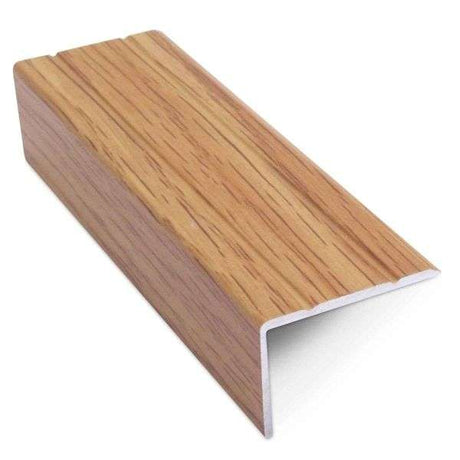
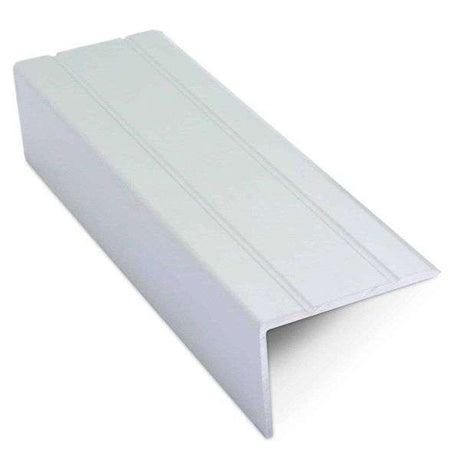
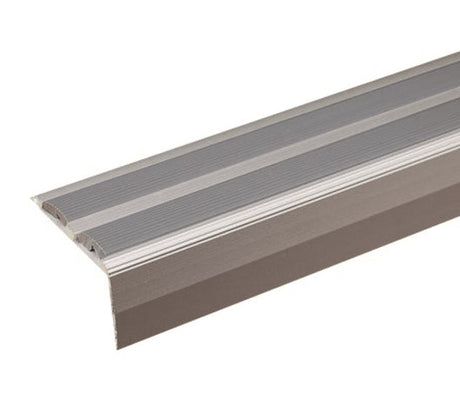
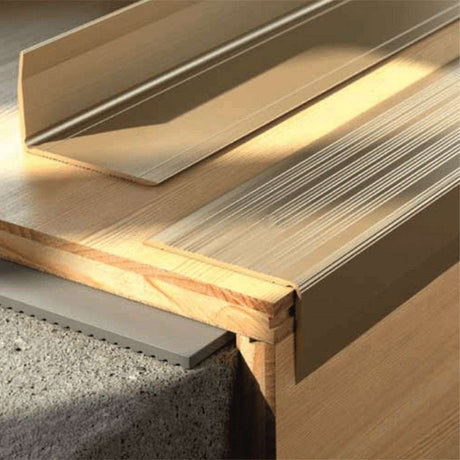
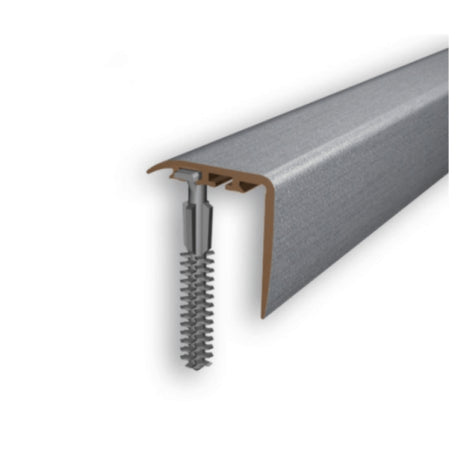
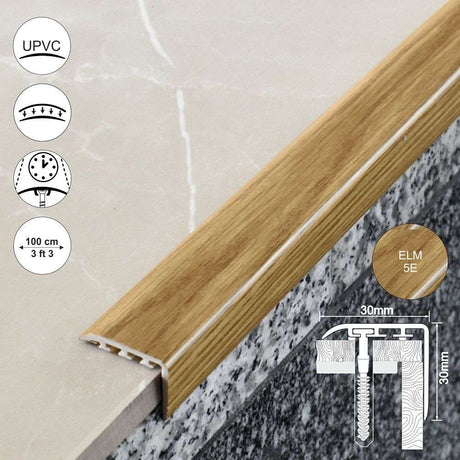
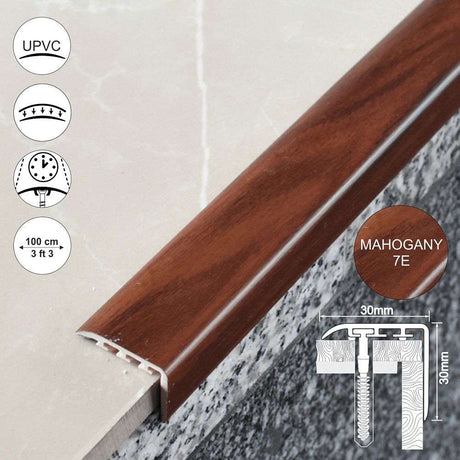
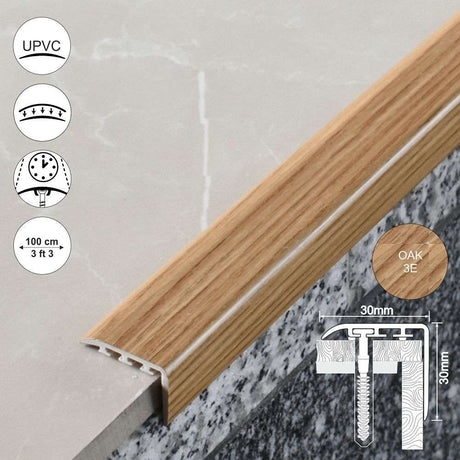
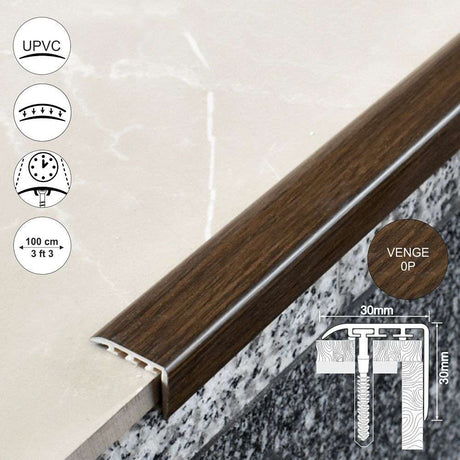
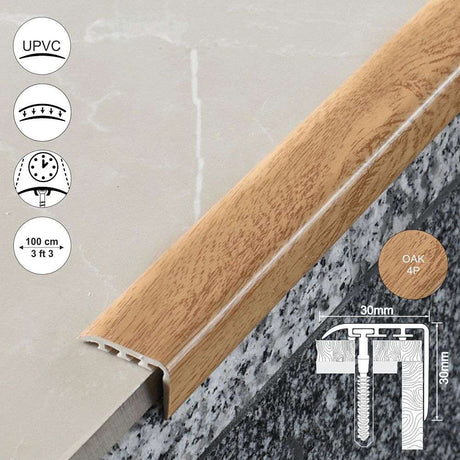
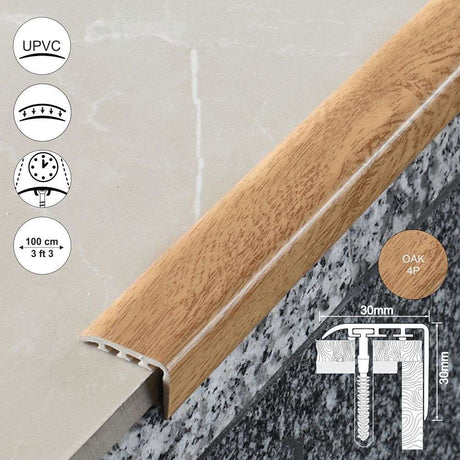
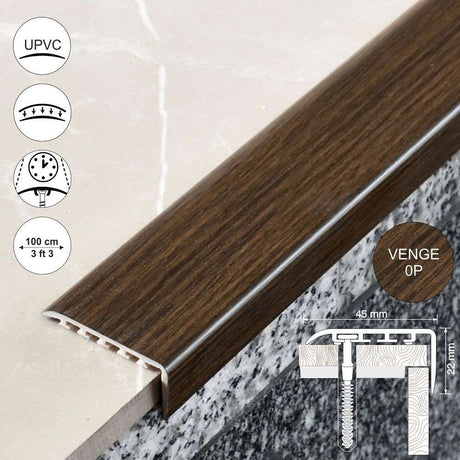
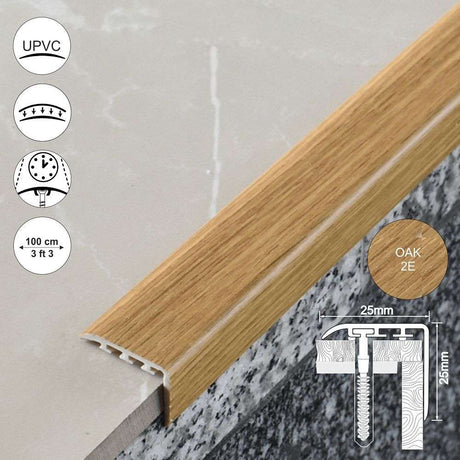
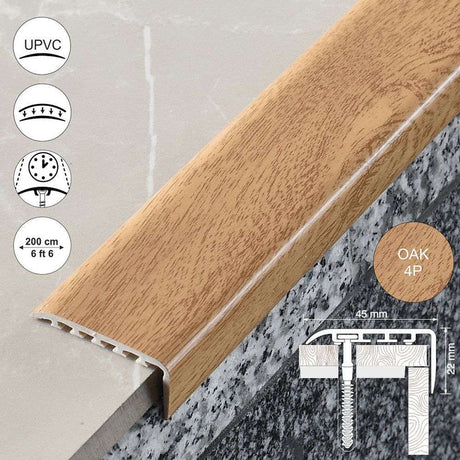
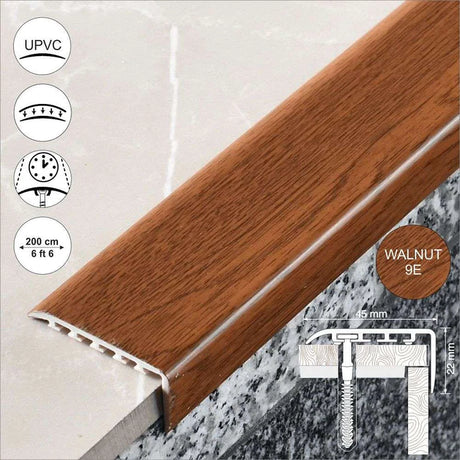
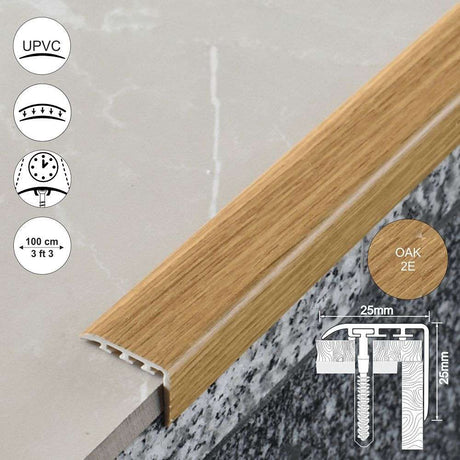
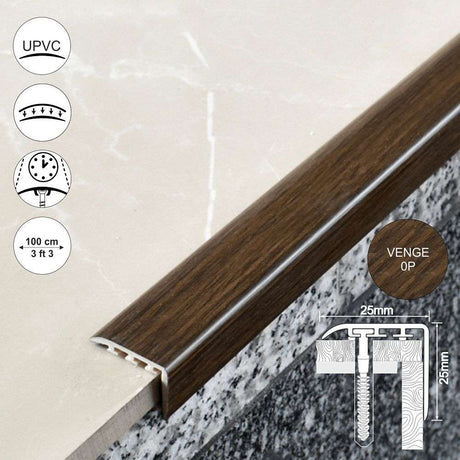
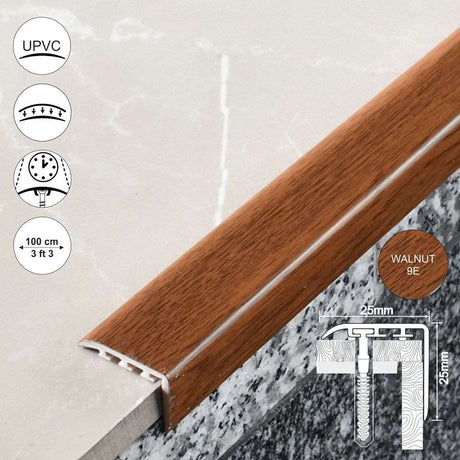
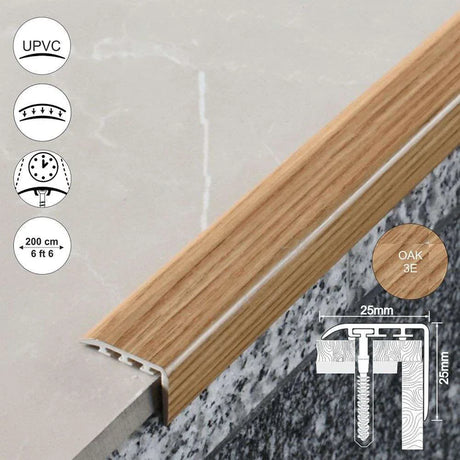
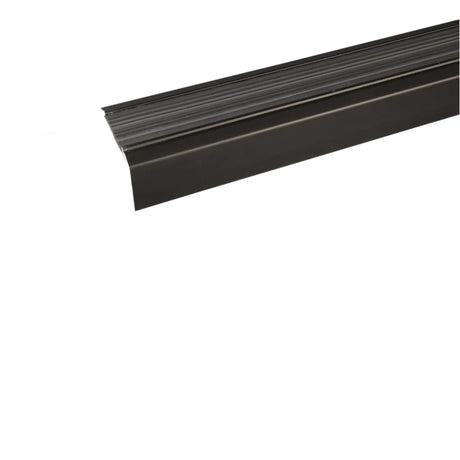
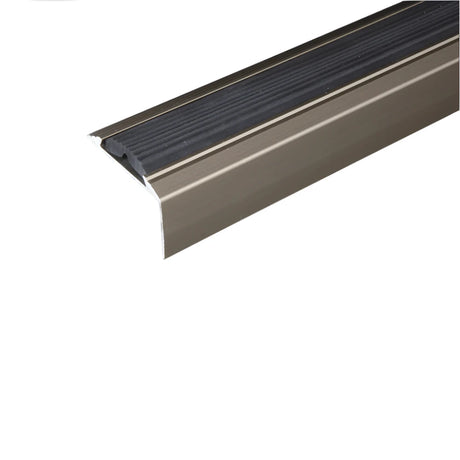
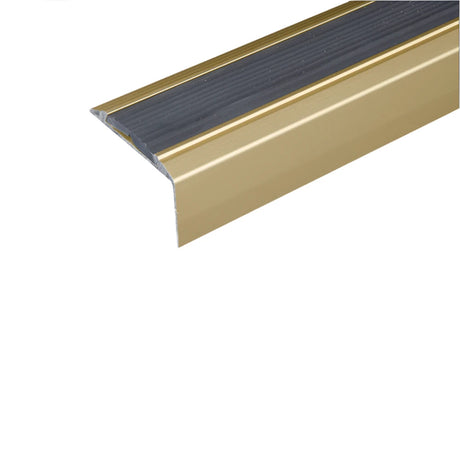
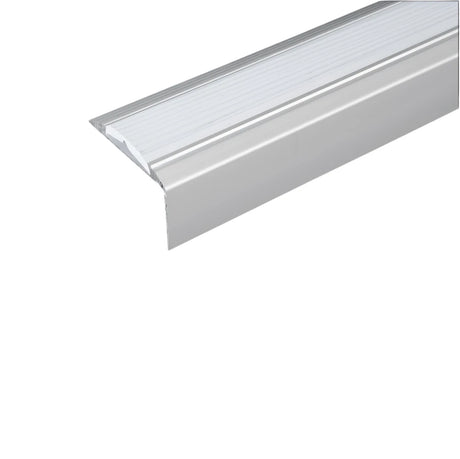
LVT and vinyl flooring take more punishment on stairs than anywhere else in a building. Every footfall lands on the same narrow strip at the edge of each step, and once the vinyl starts to lift there it peels back quickly. A stair nosing covers that edge, holds the flooring down and takes the wear itself — while giving the step a clean, finished line.
This range covers aluminium LVT nosings, bull-nose profiles, inner corners and self-adhesive trims, sized to match common flooring depths. Most orders placed before 2pm (Mon–Thurs) are dispatched the same day.
Matching the Profile to Your Flooring Depth
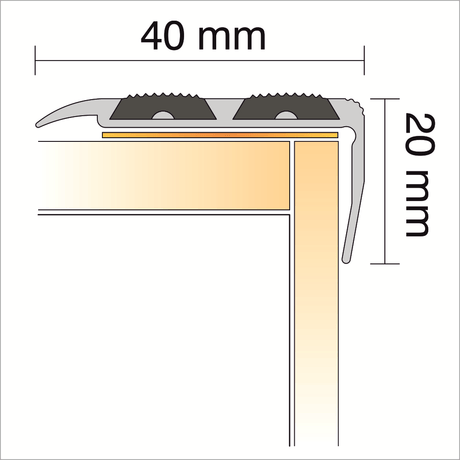
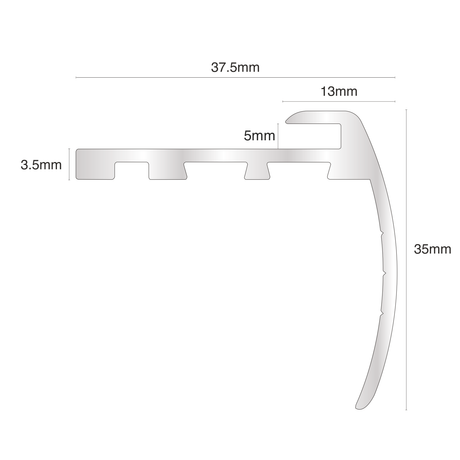
This is the single most important thing to get right. LVT nosings are machined to sit flush with a specific flooring thickness — fit the wrong depth and the profile either stands proud, leaving a lip to catch a toe, or sits low and never seats properly.
Measure the thickness of your LVT before ordering. As a guide:
-
3mm flooring — slimmer profiles such as our TVC range, sized to sit flush with 3mm LVT.
-
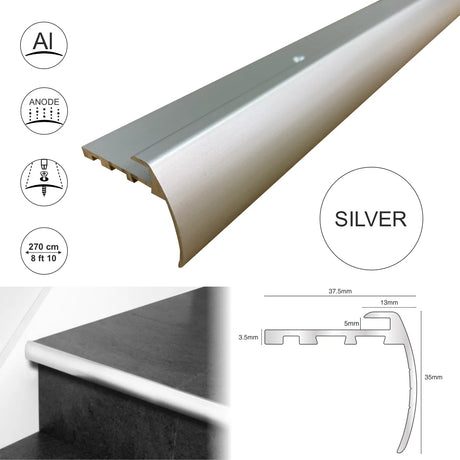
5mm flooring — the most common depth, covered by profiles such as the C24, C27, C29 and the TVB bull nose.
If you are not sure of your flooring depth, check the manufacturer's spec or measure a spare tile with a caliper. Unsure which profile fits? Send us your flooring details and we'll point you to the right one.
Profile Shapes
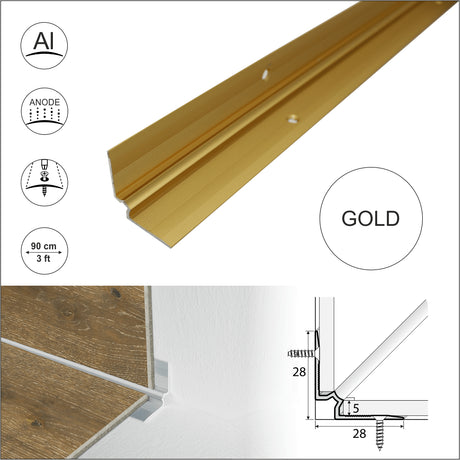
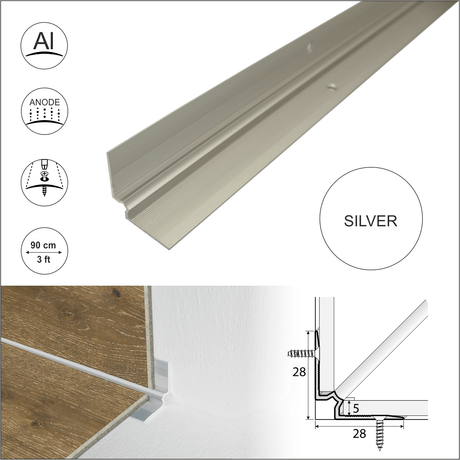
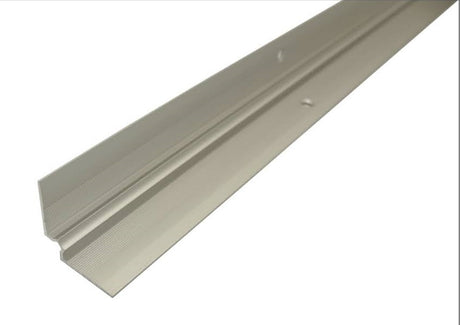
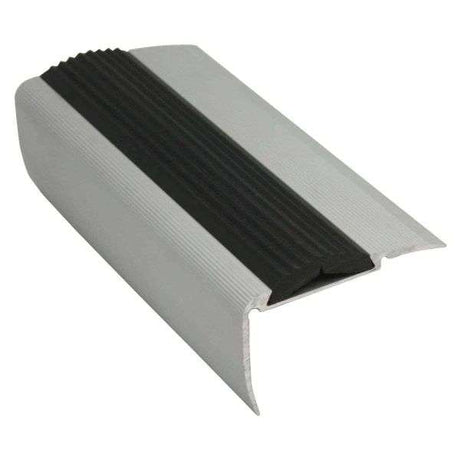
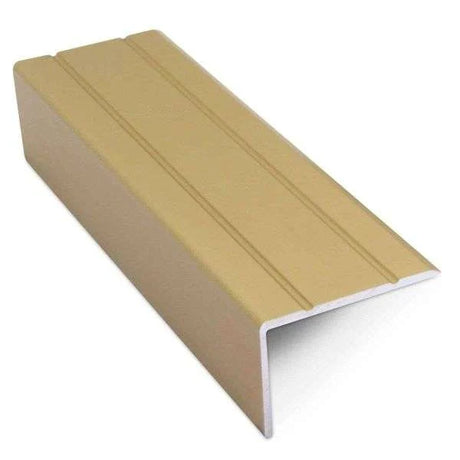
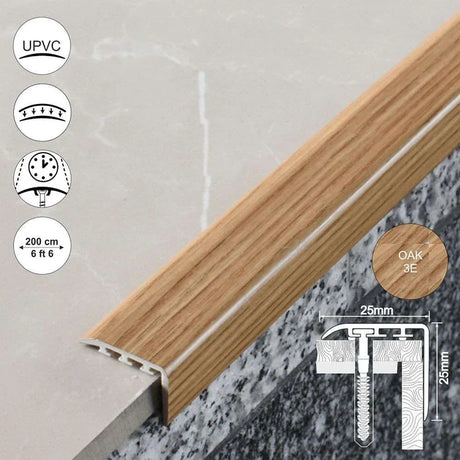
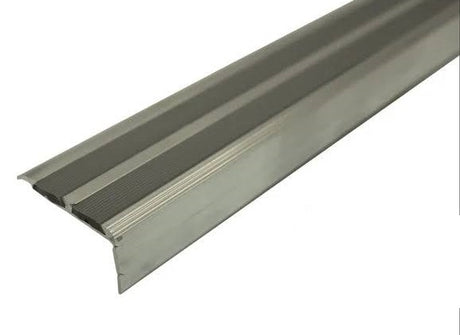
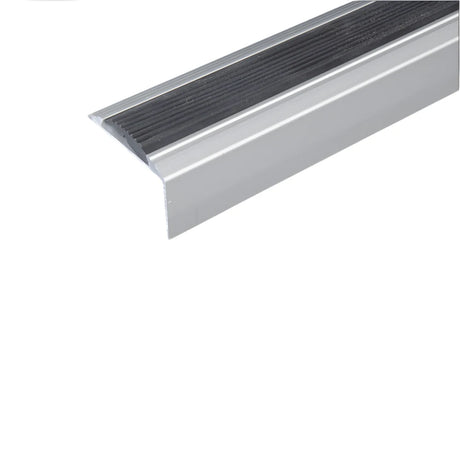
Square edge profiles give a clean right-angle finish and are the standard choice for most LVT stairs.
Bull nose profiles have a rounded leading edge — softer underfoot, easier on bare feet, and a common choice for domestic stairs and areas used by children.
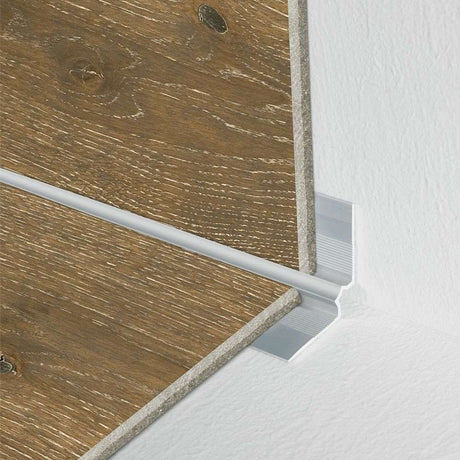
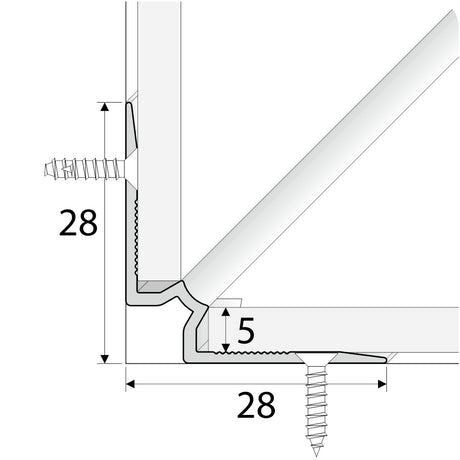
Inner corner profiles close the join where a nosing meets a wall or a return, keeping the edge sealed all the way across.
Finishes
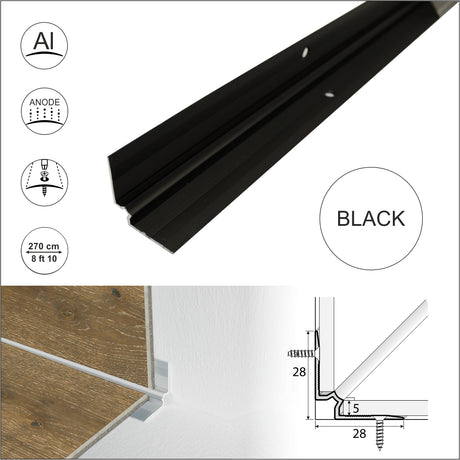
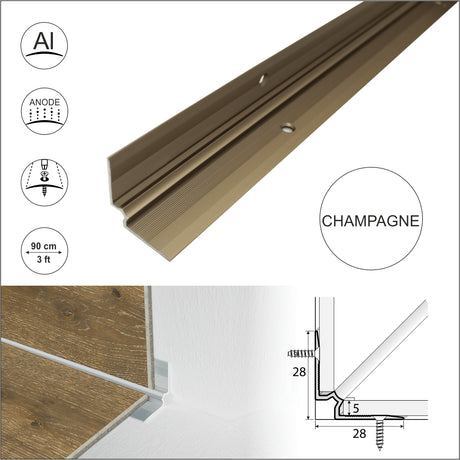
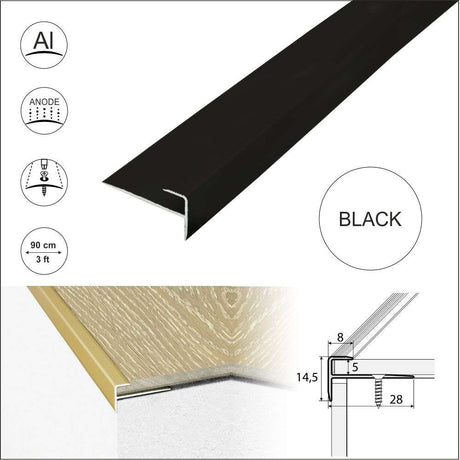
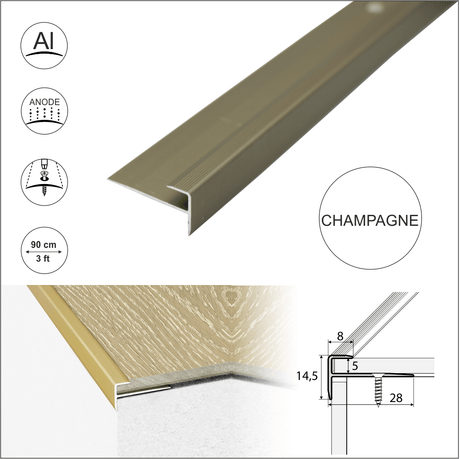
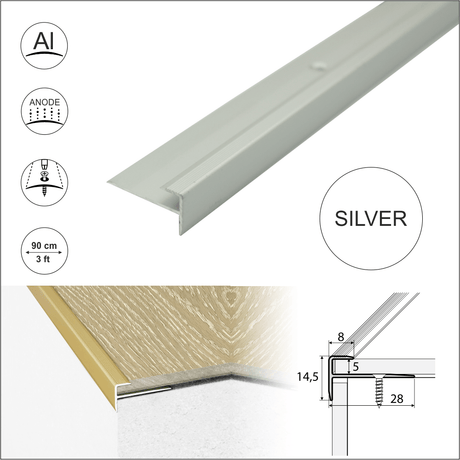
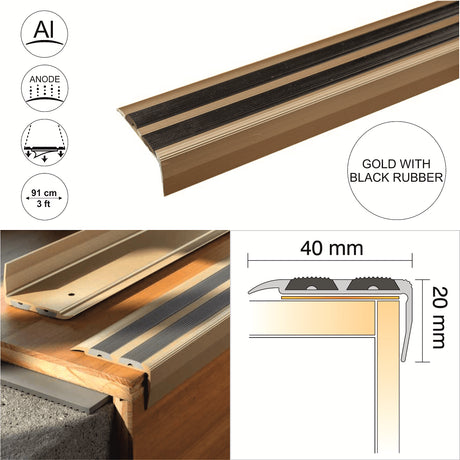
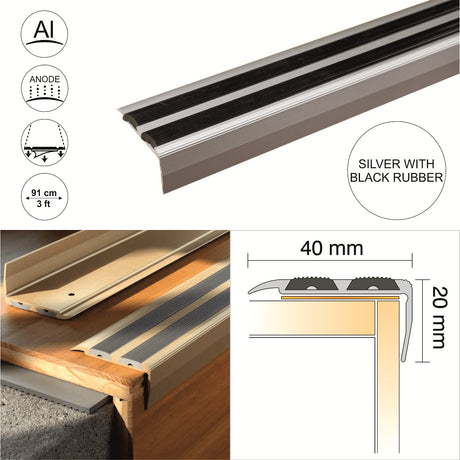
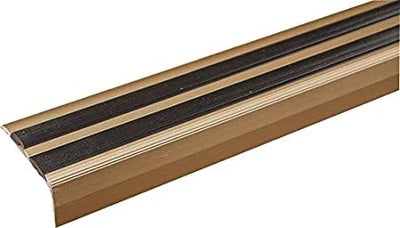
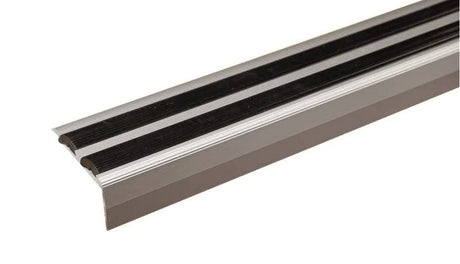
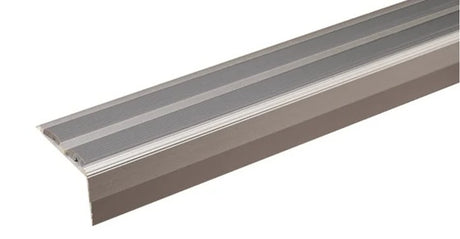
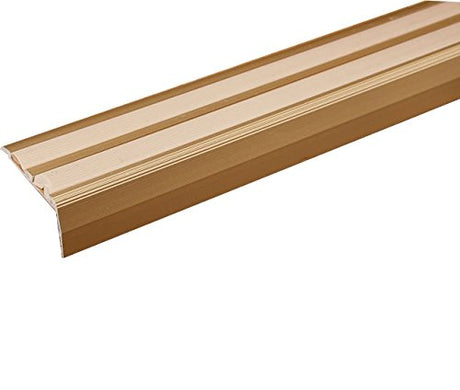
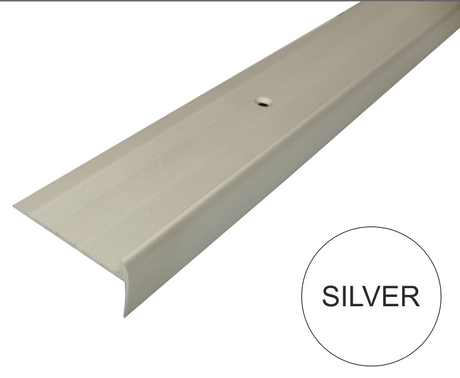
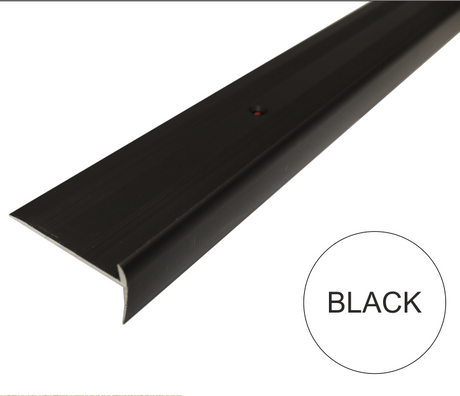
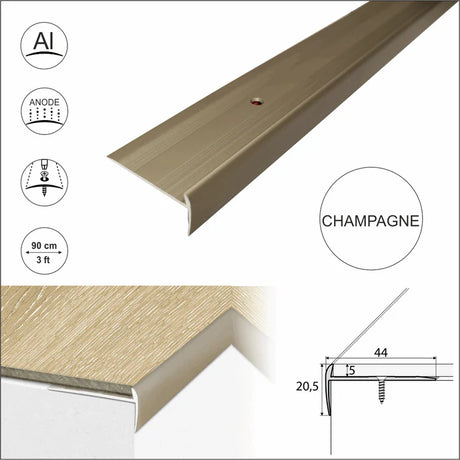
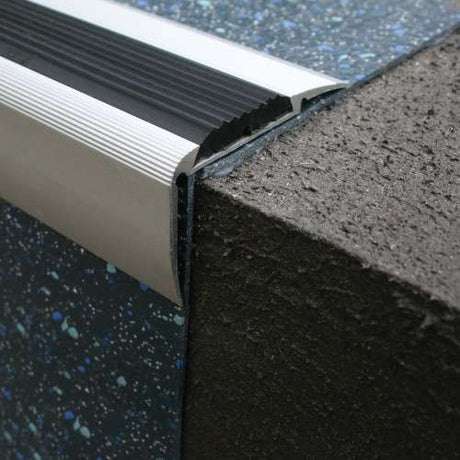
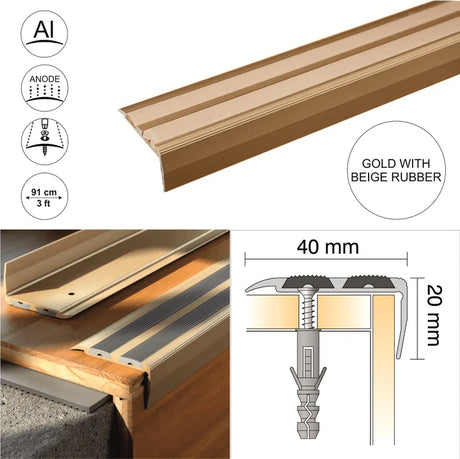
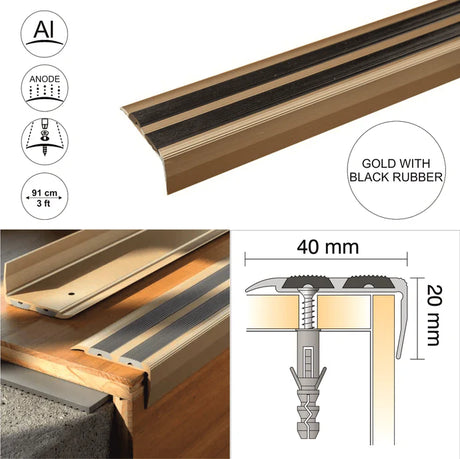
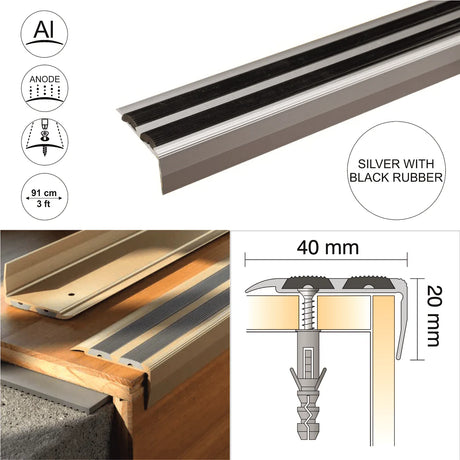
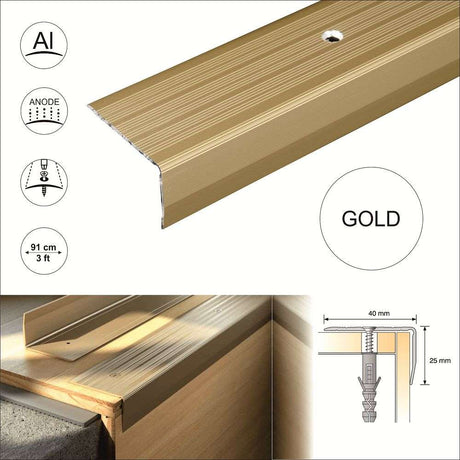
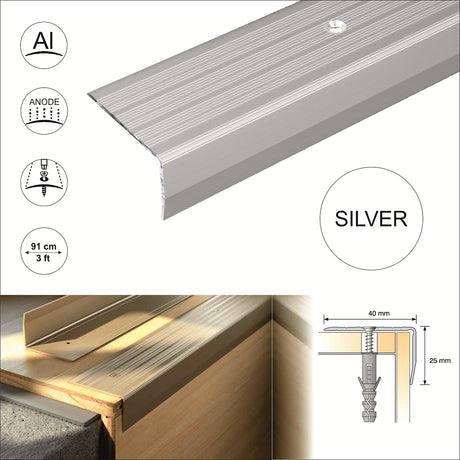
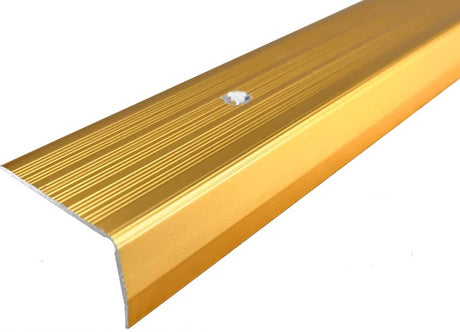
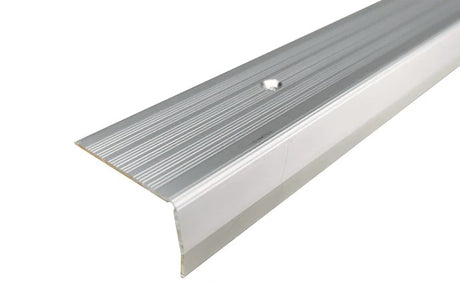
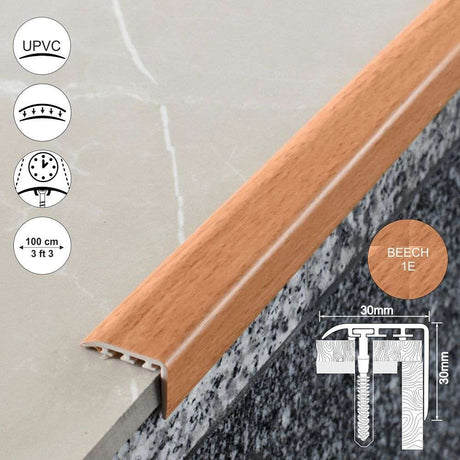
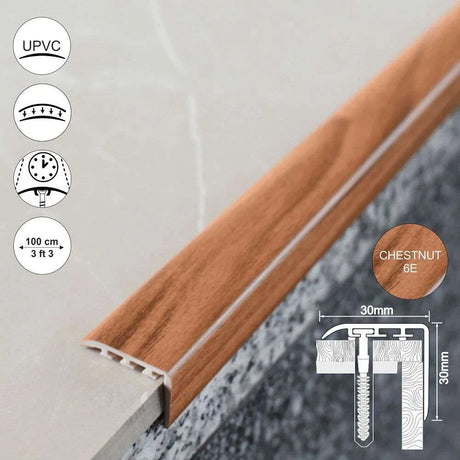
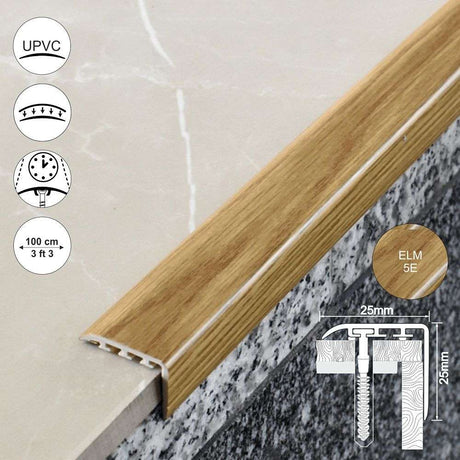
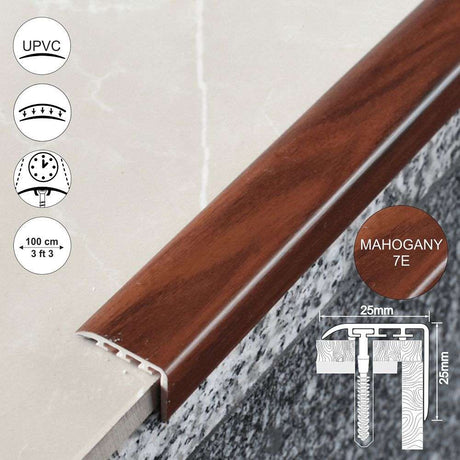
Available in Silver, Gold, Black, Champagne, Bronze and brushed finishes. On stairs used by children or older people, choosing a finish that contrasts with the LVT — rather than matching it — makes the step edge clearly visible and helps prevent a missed footing on the way down. In public and commercial settings this contrast also supports Building Regulations Part K and Part M.
Fixing: Screw or Self-Adhesive
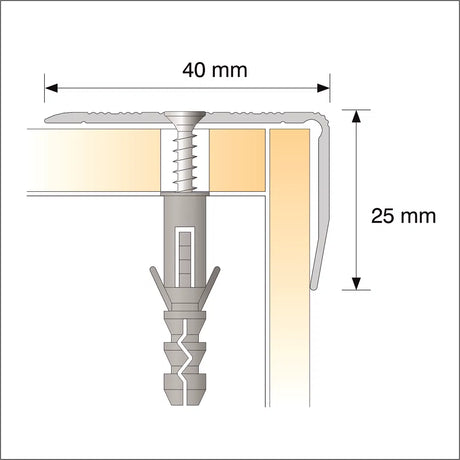
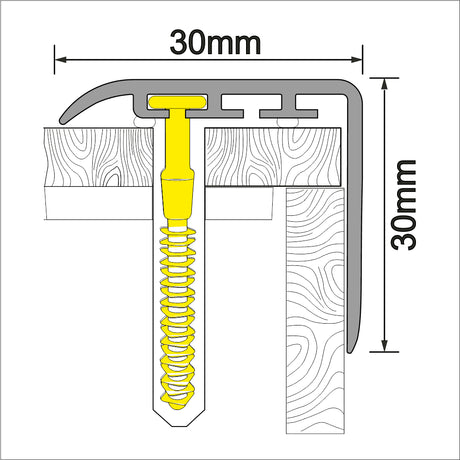
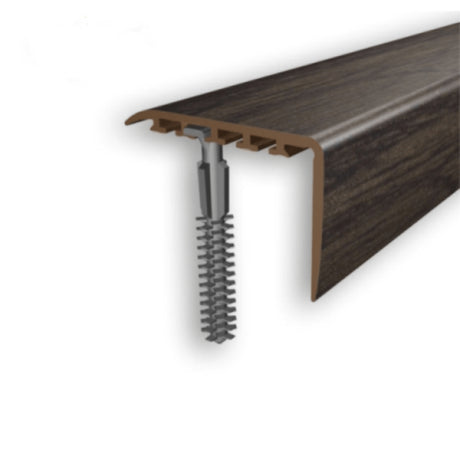
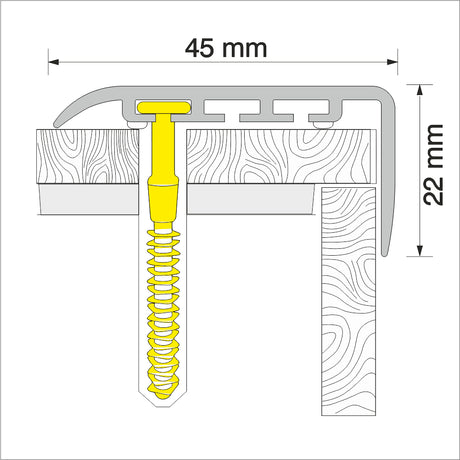
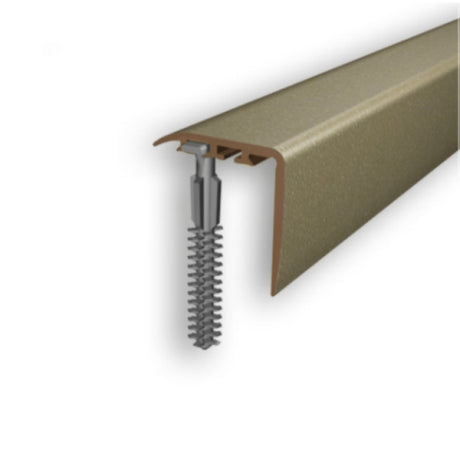
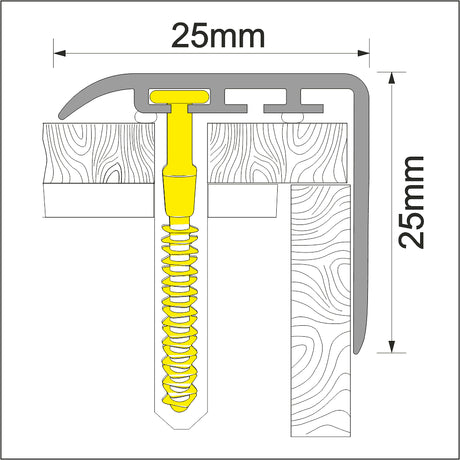
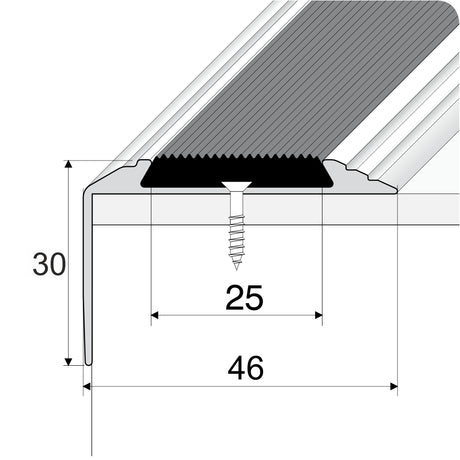
Screw-fix profiles are the strongest option and the right choice for stairs in daily use. Screws and plugs are supplied.
Self-adhesive profiles fit without drilling, which suits rented properties and quick refurbishments. The step edge must be clean, dry and flat for the bond to hold.
Both types cut with a fine-tooth hacksaw or a mitre saw fitted with a non-ferrous blade. Measure each step individually — staircases are rarely perfectly square, and a difference of a few millimetres between the top and bottom step is normal in older houses. For a full walkthrough see our guide on how to fit stair nosing.
Where It Is Used
- Domestic staircases with LVT or luxury vinyl flooring
- Offices, retail units and light commercial fit-outs
- Healthcare and public buildings
- Rental property refurbishments and new builds
Related Ranges
Fitting LVT throughout? See our door thresholds and transition strips for neat joins between rooms, and our aluminium stair nosing range for other flooring types.
Common Questions
How do I know which depth to order?
Measure the thickness of your LVT — most is 3mm or 5mm. Match the profile to that depth so it sits flush with the flooring.
What is the difference between a square edge and a bull nose?
A square edge gives a crisp right-angle finish; a bull nose has a rounded front edge that is softer underfoot. Both protect the step equally — it is mainly a matter of look and feel.
Can I fit LVT nosing over existing flooring?
The nosing is designed to finish the edge of the LVT as it is laid. On a refurbishment, fit the nosing once the new flooring is down and trimmed to the step edge.
Do you have profiles for 3mm flooring?
Yes. Our TVC range is machined for 3mm LVT. Most other profiles are sized for 5mm.
Do you supply trade customers?
Yes. Flooring fitters and contractors can apply for a trade account for volume pricing and priority dispatch.