Stair Nosing for Every Type of Staircase
Stair nosing is the protective trim fitted along the exposed edge of each step. It does three jobs at once: it stops the step edge wearing away, it gives a defined grip point underfoot, and it makes each step edge easier to see. On a busy staircase all three matter — most stair falls happen on the way down, when the eye is judging where one step ends and the next begins.
We supply stair nosing profiles for homes, offices, schools, hospitals, rental properties and commercial buildings across the UK, in aluminium, PVC, UPVC and rubber-insert finishes. Most orders placed before 2pm (Mon–Thurs) are dispatched the same day.
Choosing Stair Nosing by Floor Covering
The right profile depends mainly on what is on your stairs and how thick it is.
-
Laminate and engineered wood — a square-edge or ramped profile that sits level with the board. See stair nosing for laminate.
-
Vinyl and LVT — slimline profiles sized to the flooring depth, typically 3mm to 5mm. See vinyl and LVT stair nosing.
-
Carpet — a deeper profile that grips the carpet edge and holds it flat against the step.
-
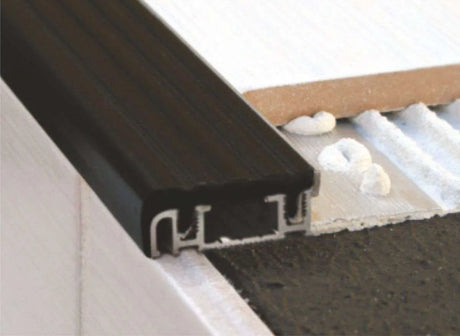
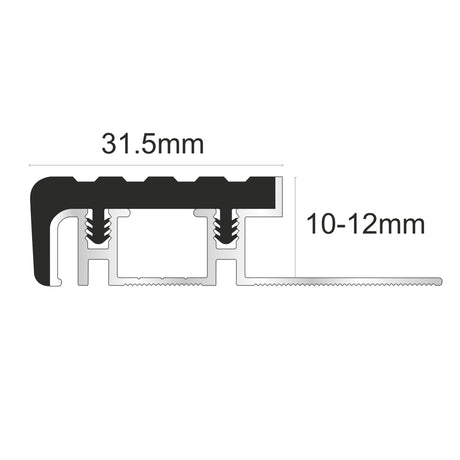
Tile — tile-in profiles that bed into the adhesive as the tile is laid. See tile-in stair nosing.
-
Bare concrete, timber or metal steps — heavy-duty ribbed aluminium or rubber-insert nosings. See heavy duty stair nosing.
Materials Explained
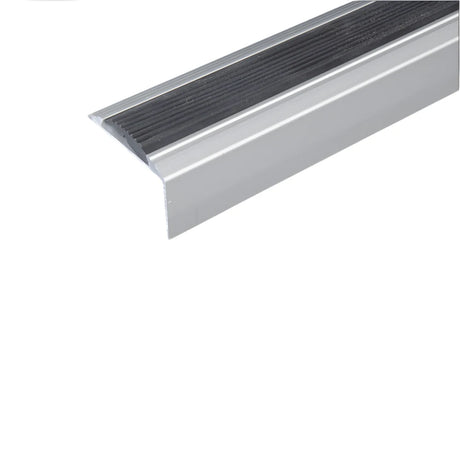
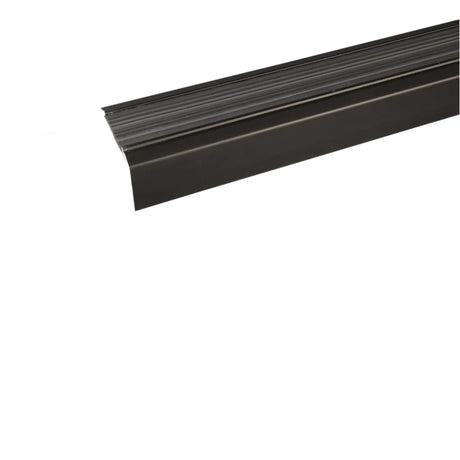
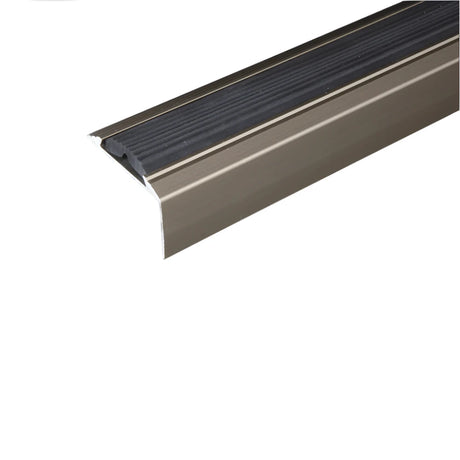
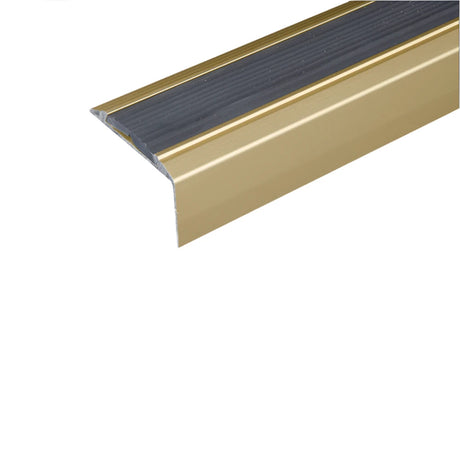
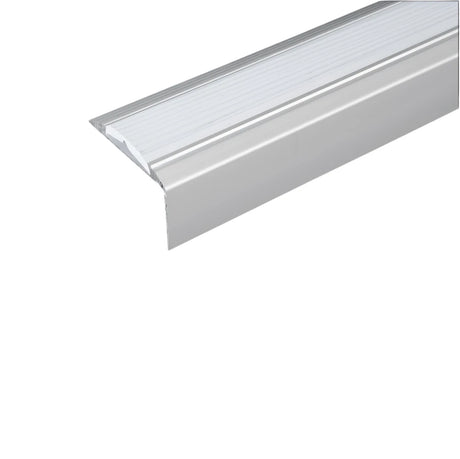
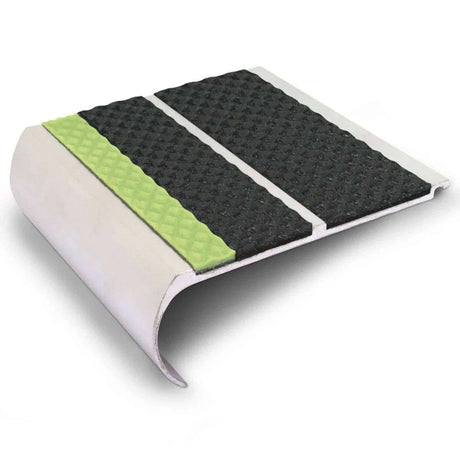
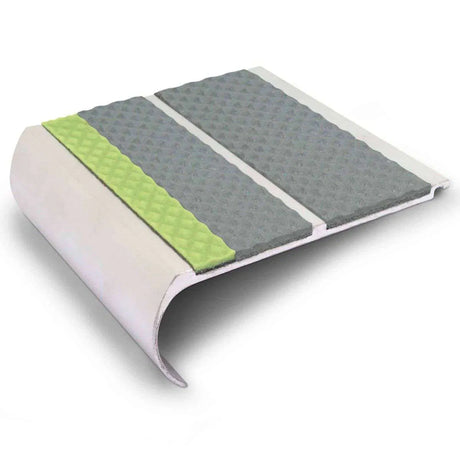
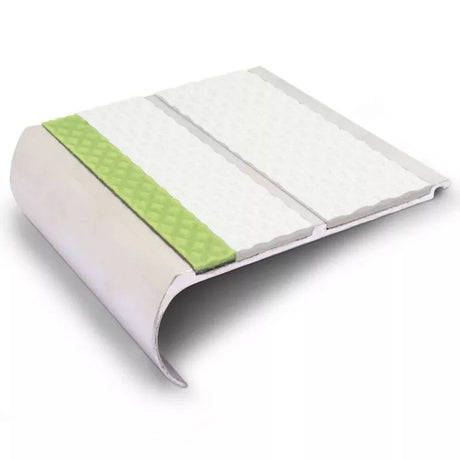
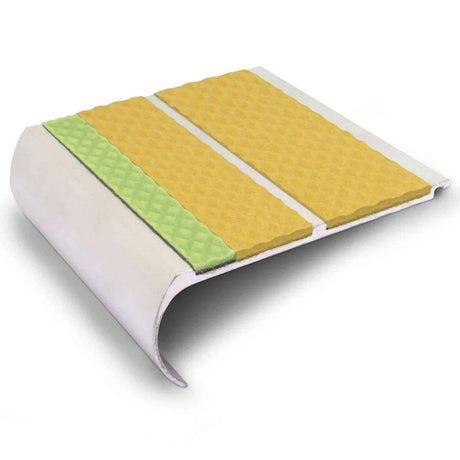
Anodised aluminium is the most common choice. It is hard-wearing, will not rust indoors, and the anodised surface keeps its finish for years. Available in Silver, Gold, Black, Champagne, Inox and wood-effect. Browse aluminium stair nosing.
PVC and UPVC profiles cost less and are simple to cut and fit, which makes them well suited to internal domestic stairs and rental refurbishments. Browse UPVC stair nosing.
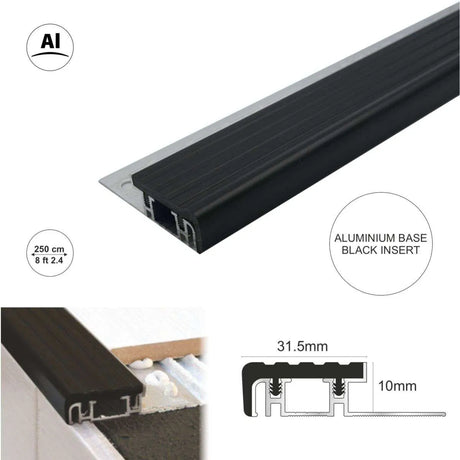
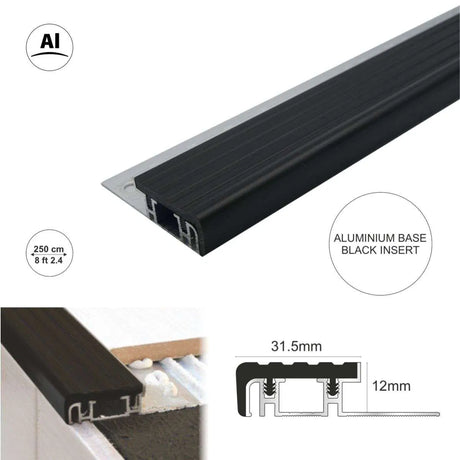
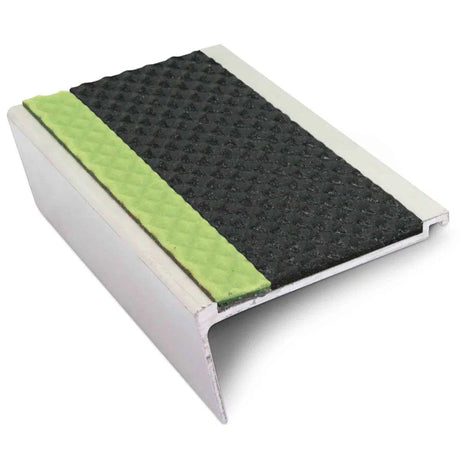
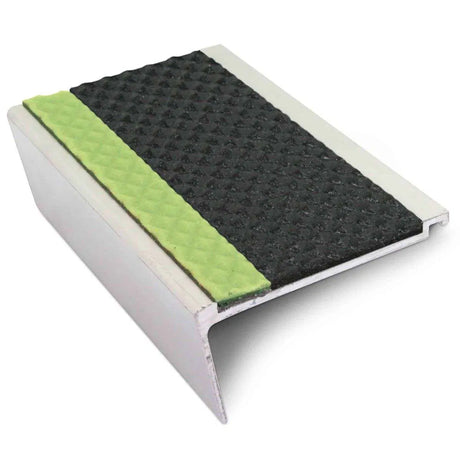
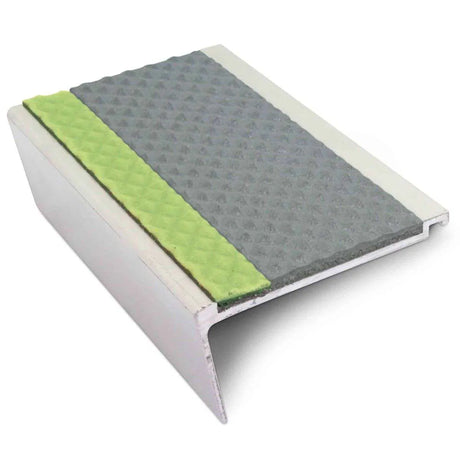
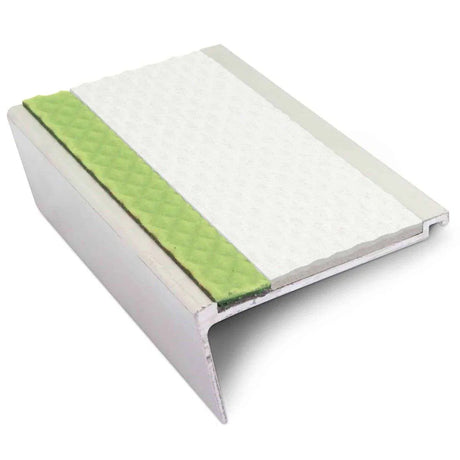
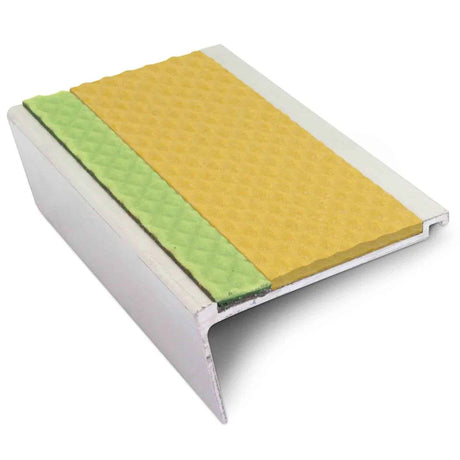
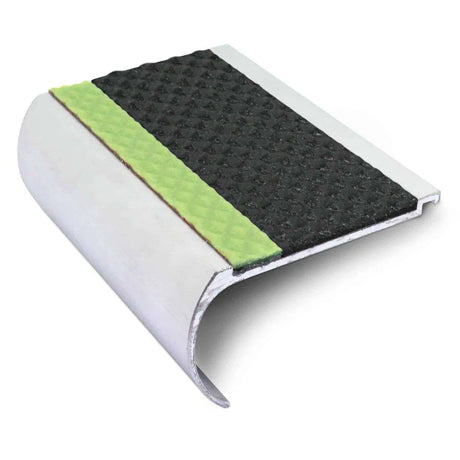
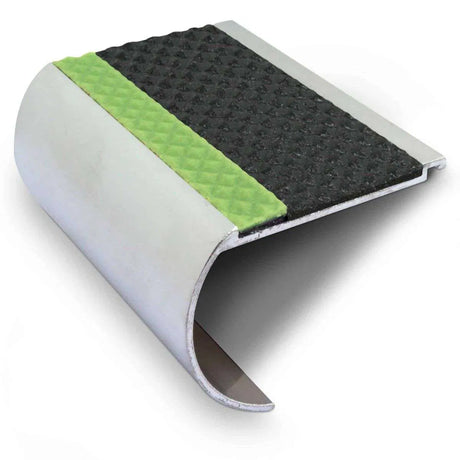
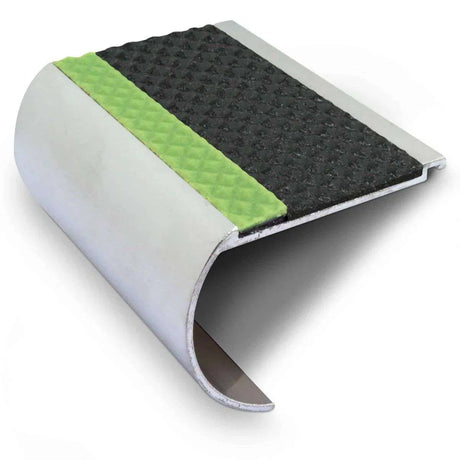
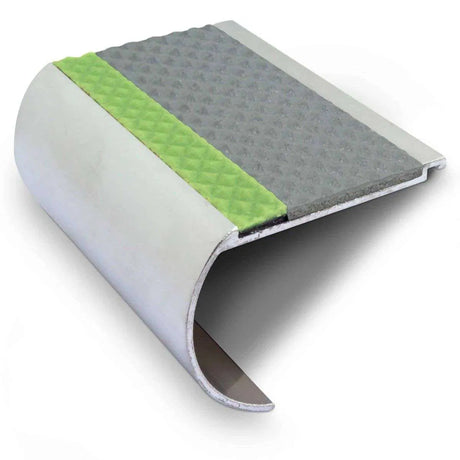
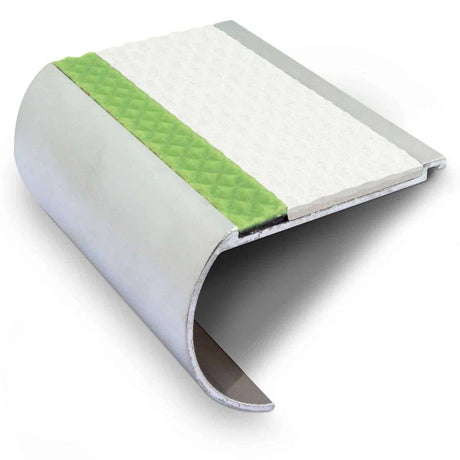
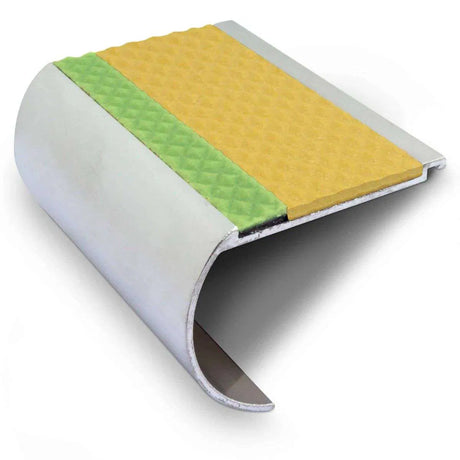
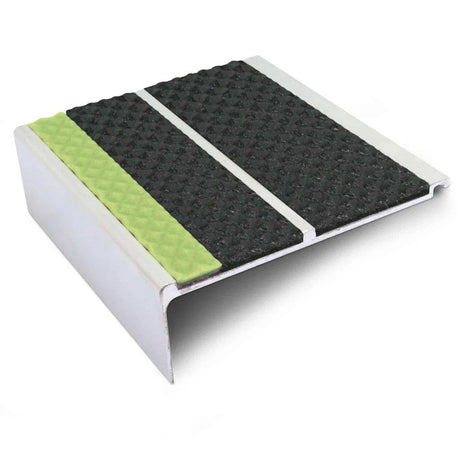
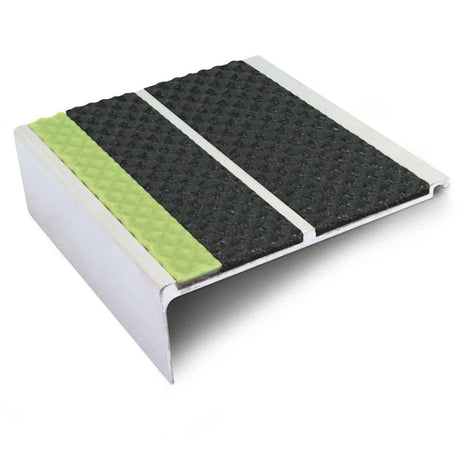
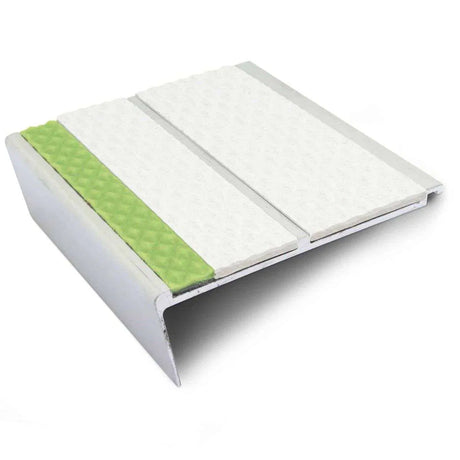
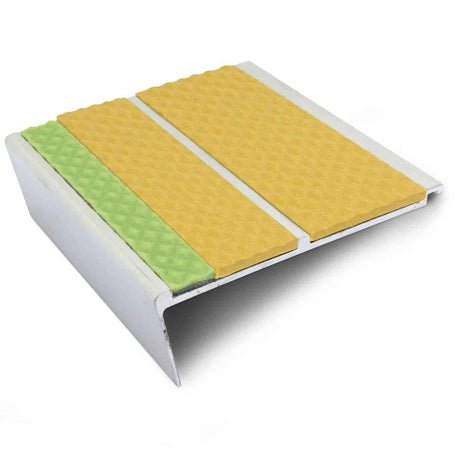
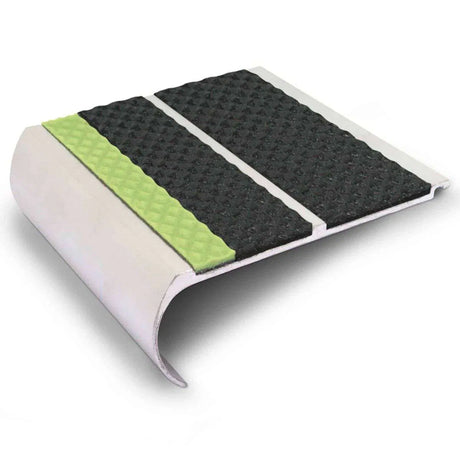
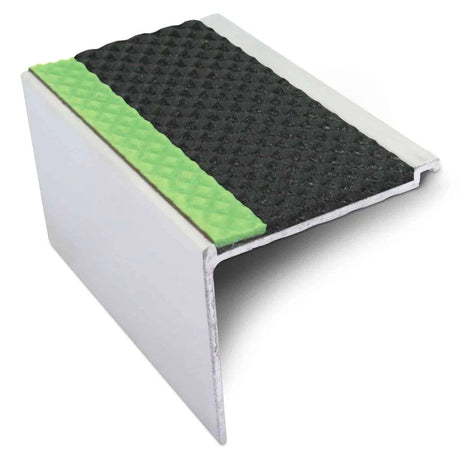
Rubber-insert nosings combine an aluminium body with a replaceable rubber strip, giving the highest grip. These are the usual specification for schools, offices and public buildings. Browse stair nosing with rubber inserts.
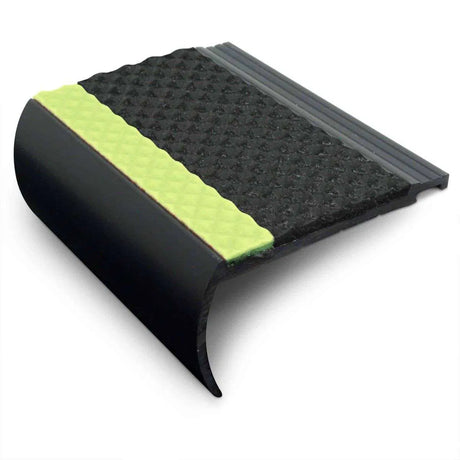
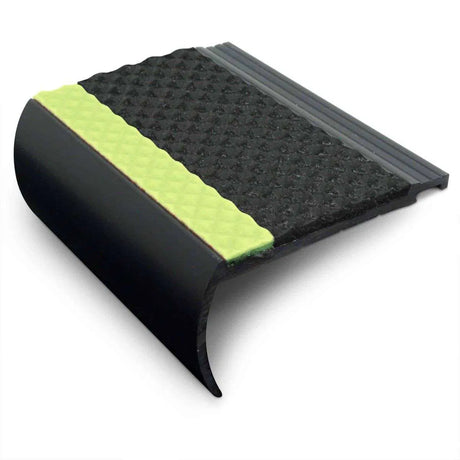
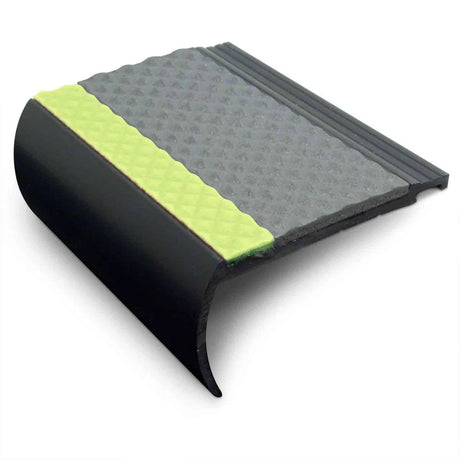
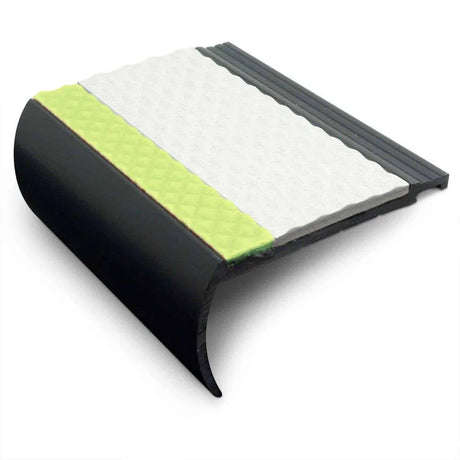
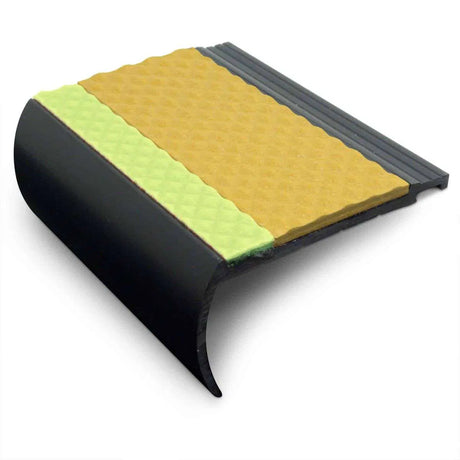
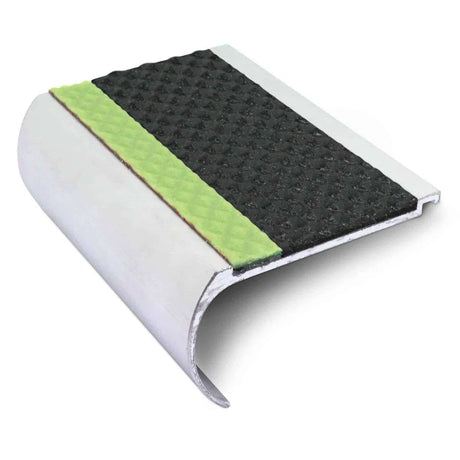
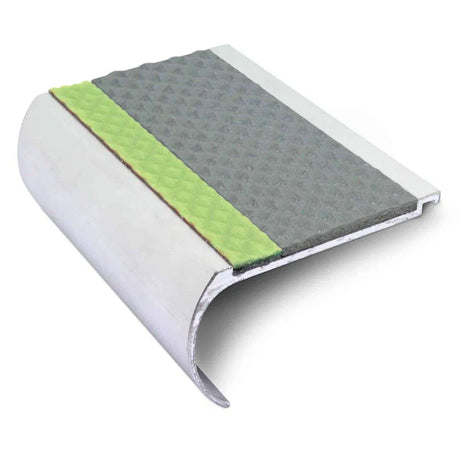
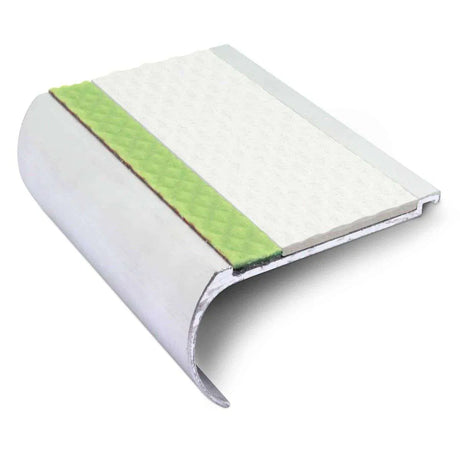
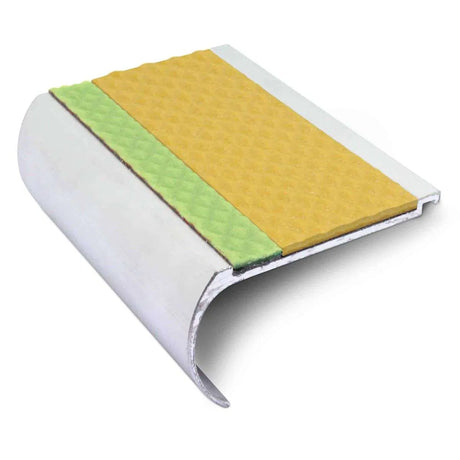
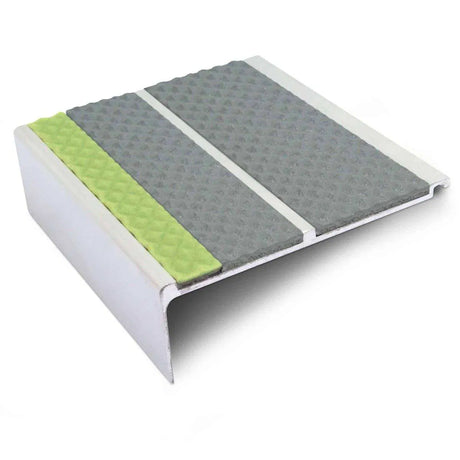
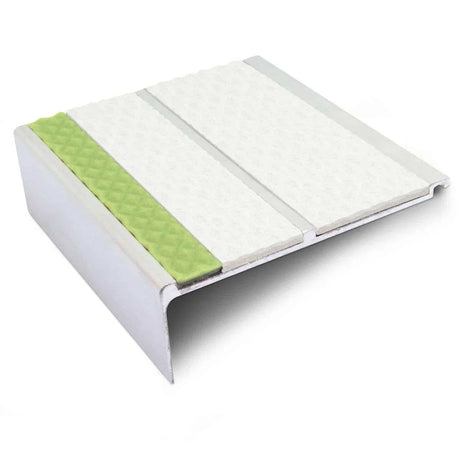
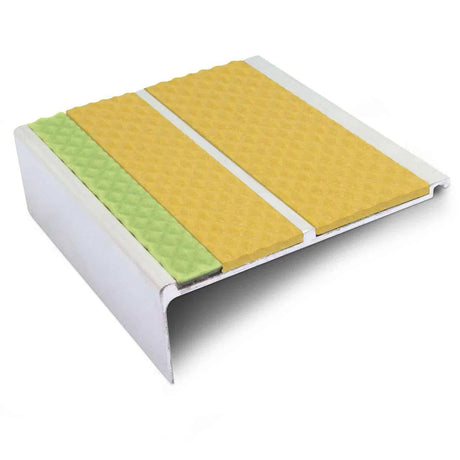
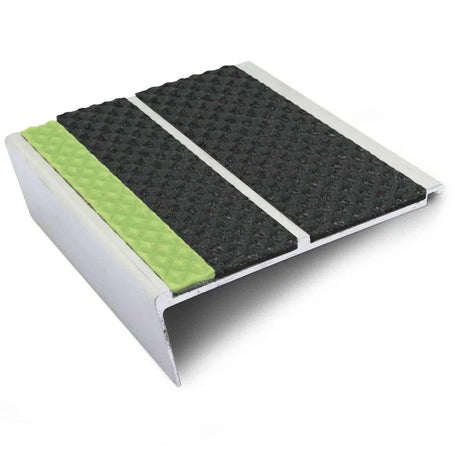
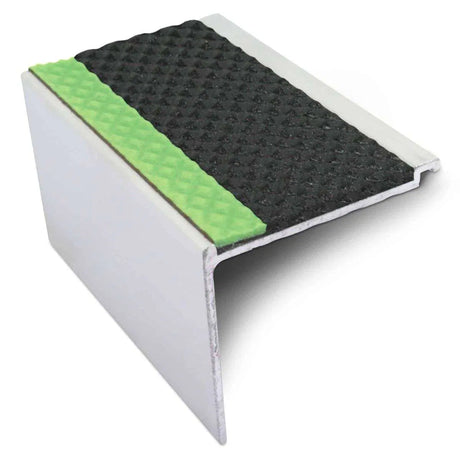
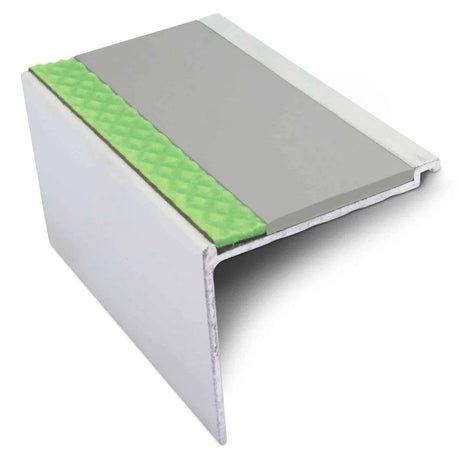
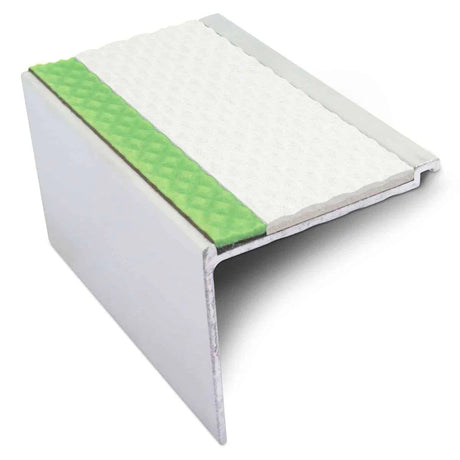
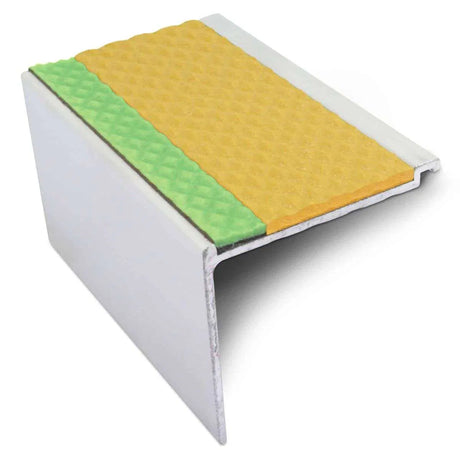
LED and glow-in-the-dark profiles light the step edge in low light — useful in cinemas, stairwells, hotels and escape routes. Browse LED stair nosings and glow-in-the-dark nosings.
Sizes and How to Measure
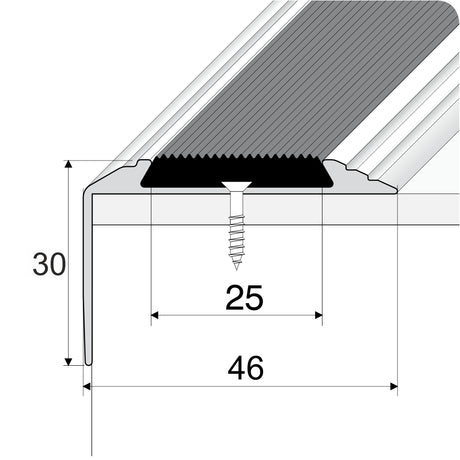
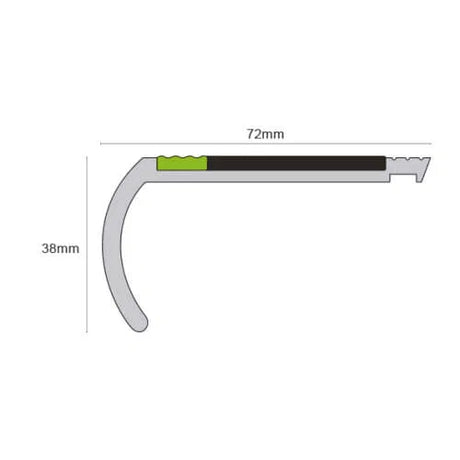
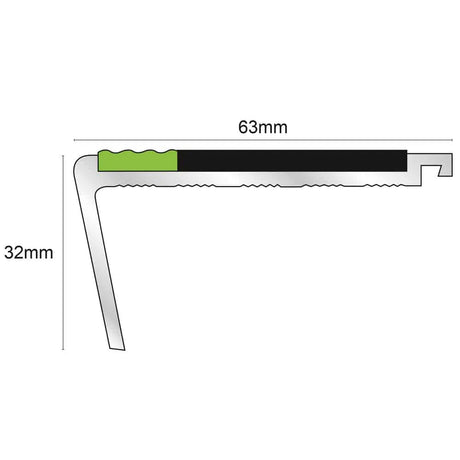
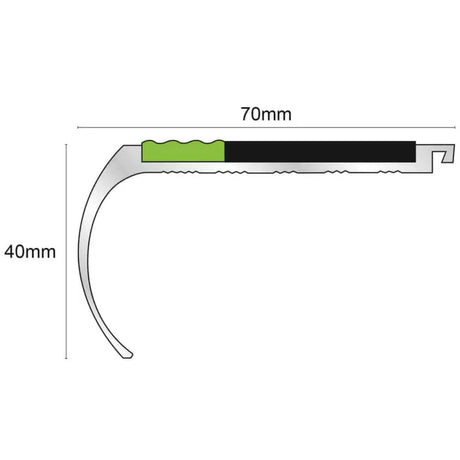
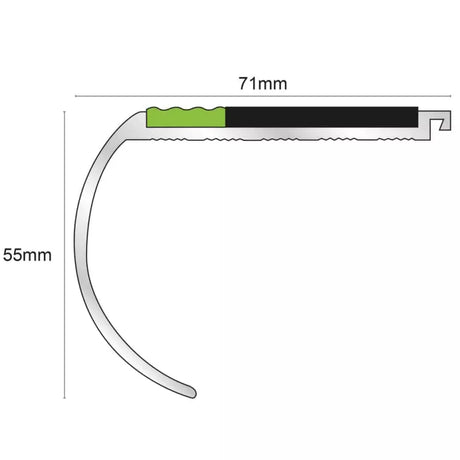
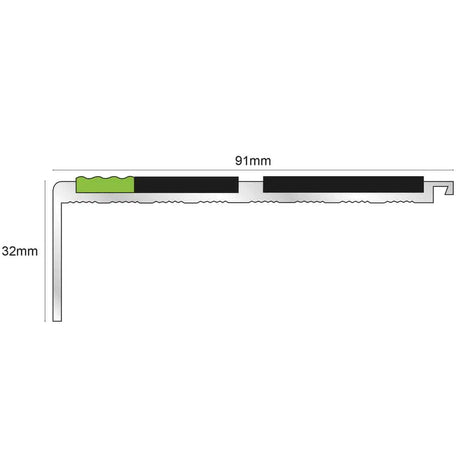
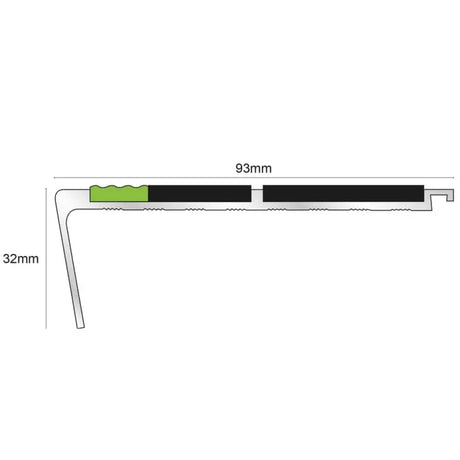
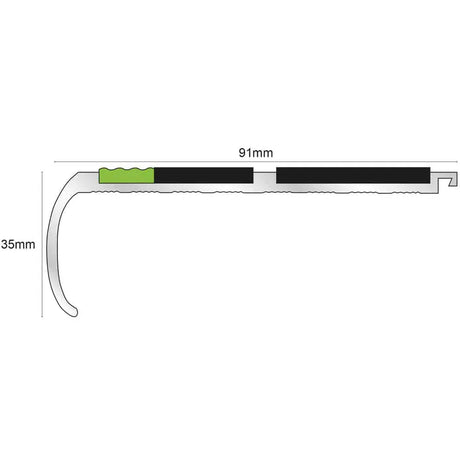
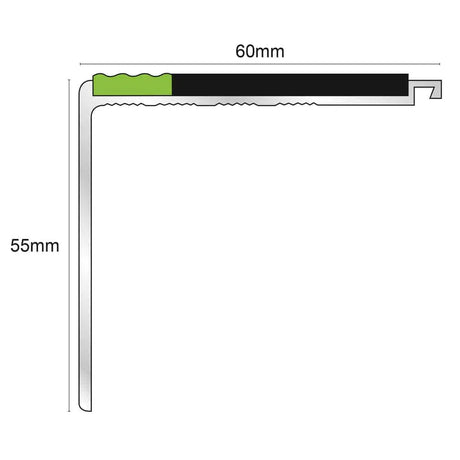
Stair nosing is described by two figures: the depth on the tread (the part you walk on) and the depth down the riser (the vertical face). A profile listed as 36 x 20mm covers 36mm of tread and 20mm of riser.
To choose a size, measure the depth of your floor covering first, then decide how much of the step edge you want covered. As a rule, slim profiles from 25mm suit laminate and vinyl in homes, mid-range profiles around 35mm suit carpet and general use, and profiles of 45mm and above suit commercial stairs and heavy traffic.
Measure the width of your staircase and add a little for trimming. Standard lengths are 0.9m, 1.8m and 2.7m, and most profiles cut cleanly with a fine-tooth hacksaw or a mitre saw. If you need exact lengths, we offer a cut-to-size service — send us your measurements.
Fixing Methods
Screw fix is the strongest and the right choice for stairs in constant use. Screws and wall plugs are supplied.
Self-adhesive profiles fit without drilling, which suits rented properties and light domestic use. The step edge must be clean, dry and flat.
Tile-in and push-in profiles are set during installation of the floor covering itself.
Building Regulations
Stair nosings in public and commercial buildings are covered by Approved Documents K and M. In broad terms, the step edge should be clearly visible against the tread and riser, and the nosing should not project in a way that catches the foot. Contrasting finishes — black on light steps, or a light finish on dark steps — are the usual way of meeting the visibility requirement.
Many of our profiles are specified for exactly this purpose. If you are working to a specification, check the required dimensions and contrast for your project before ordering, and contact us if you need help matching a profile.
Frequently Asked Questions
Do I need stair nosing on carpeted stairs?
It is not compulsory in a private home, but carpet wears fastest at the step edge, and a nosing holds the carpet down and takes that wear instead.
Can stair nosing be fitted to existing stairs?
Yes. Most refurbishment work fits nosings over the existing covering. Screw-fix profiles hold best on older stairs where the surface may not be perfectly flat.
What is the difference between stair nosing and an edge trim?
They describe the same part. Stair nosing is the more common term in trade specifications; edge trim is used more in retail listings.
How many do I need?
One length per step, cut to the width of your staircase. Measure the widest step, as staircases are not always square.
Do you supply trade customers?
Yes. Builders, fitters, contractors and facilities teams can apply for a trade account for volume pricing and priority dispatch.