Aluminium Stair Nosing for Home and Commercial Stairs
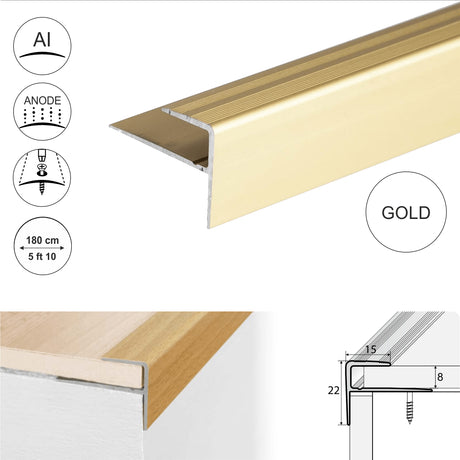
Aluminium is the material most stair nosings are made from, and for good reason. It takes constant footfall without denting, it will not rot or swell like timber, and it holds a straight edge over a long span. Our profiles are anodised — an electrochemical process that hardens the surface layer itself rather than coating it. That is why an anodised finish does not chip or peel the way paint or powder coating eventually does on a step edge.
Every profile in this range is supplied with screws and wall plugs, and most orders placed before 2pm (Mon–Thurs) are dispatched the same day.
Ribbed, Rubber Insert or Plain Tread
The top surface of the profile is what determines grip, and there are three types.
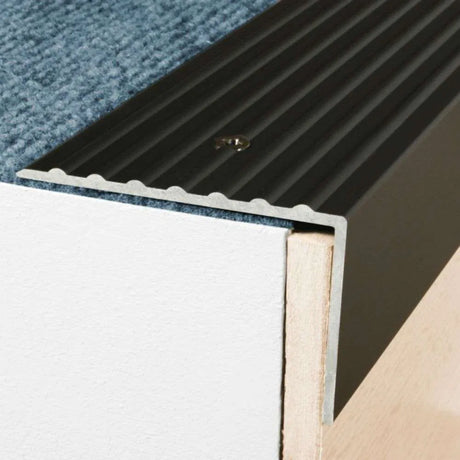
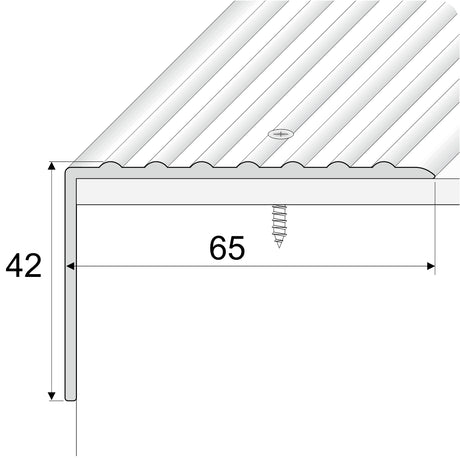
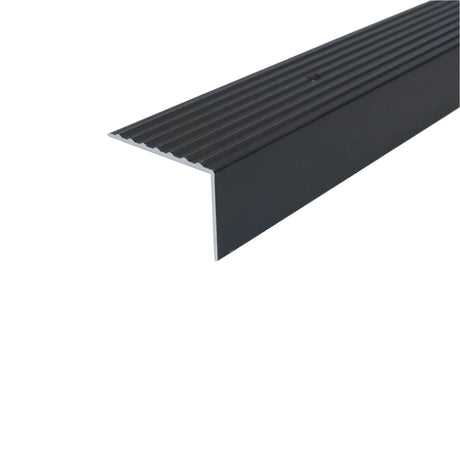
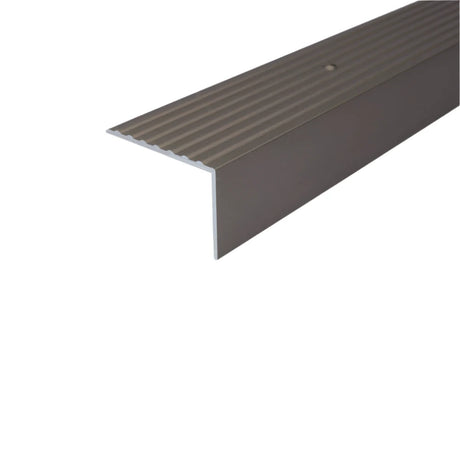
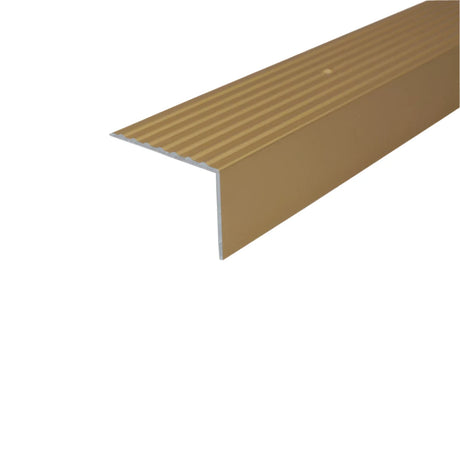
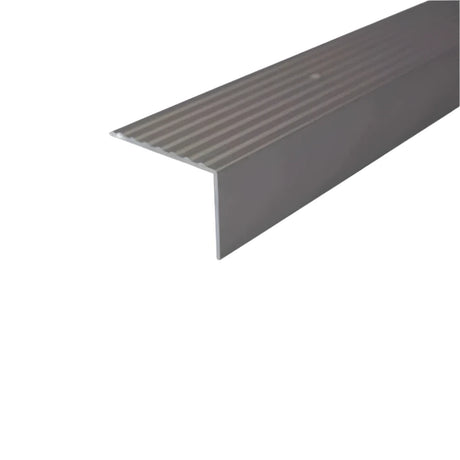
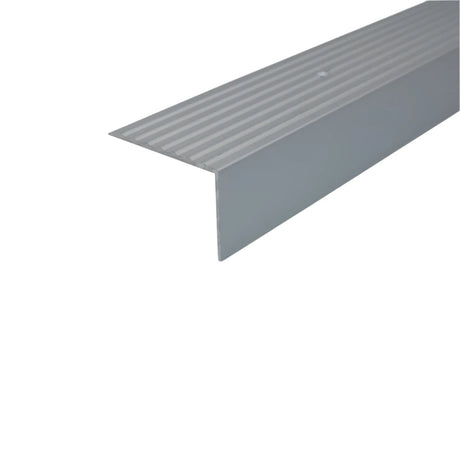
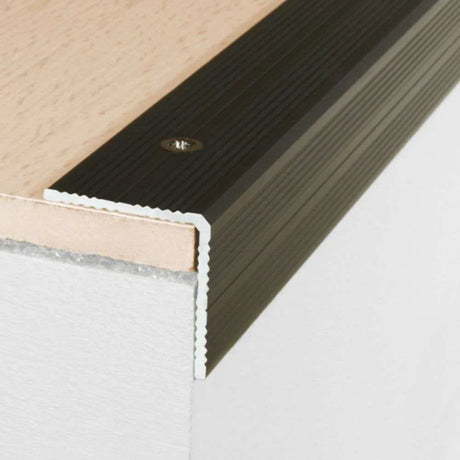
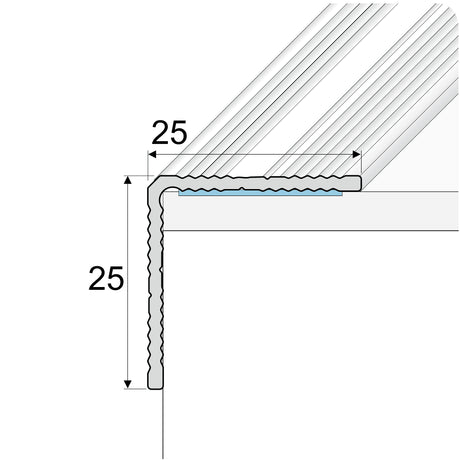
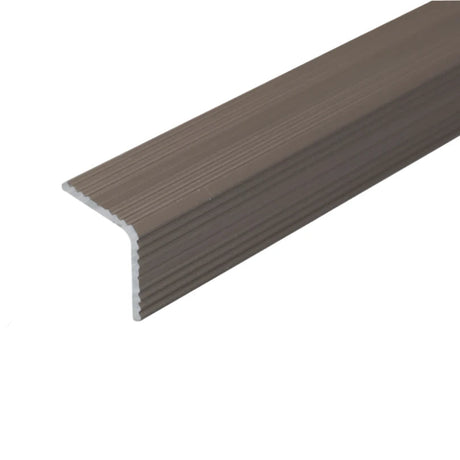
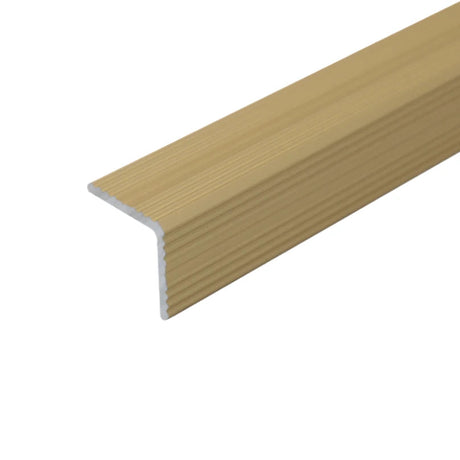
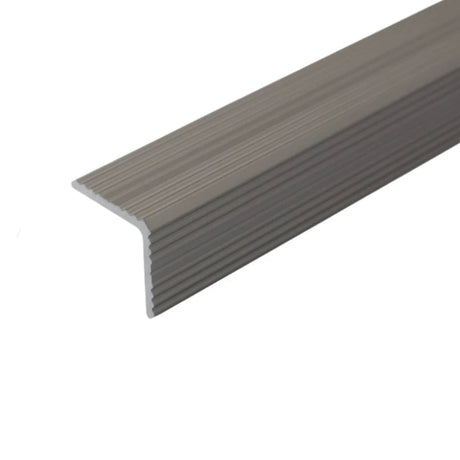
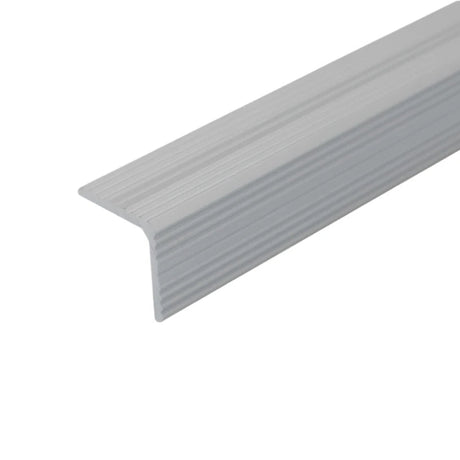
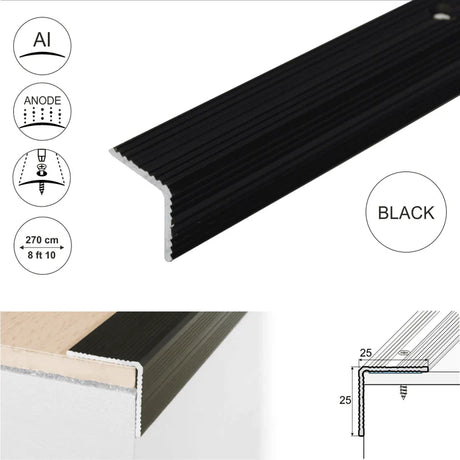
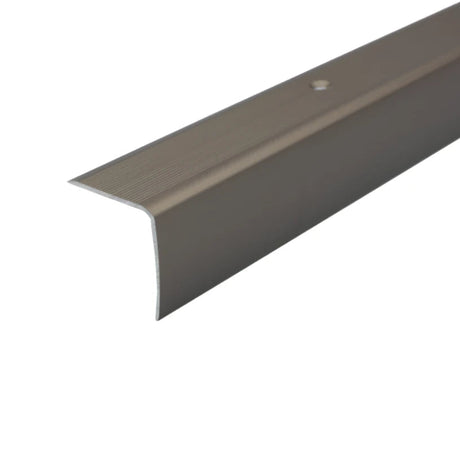
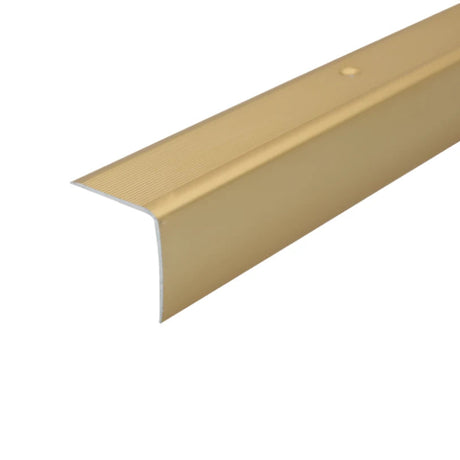
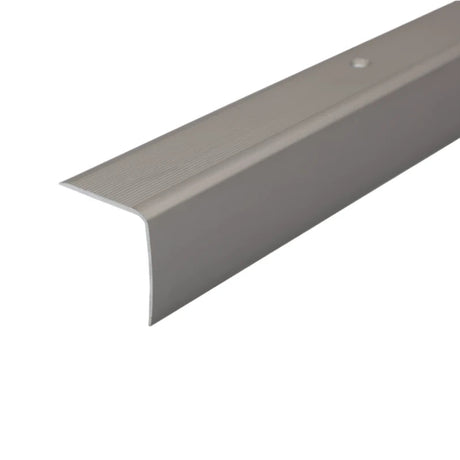
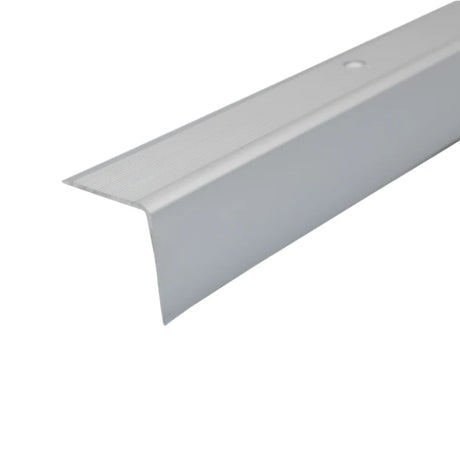
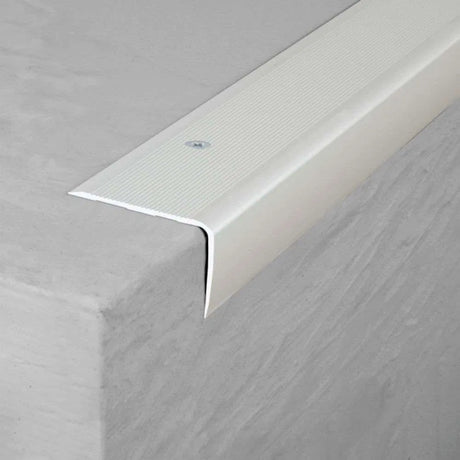
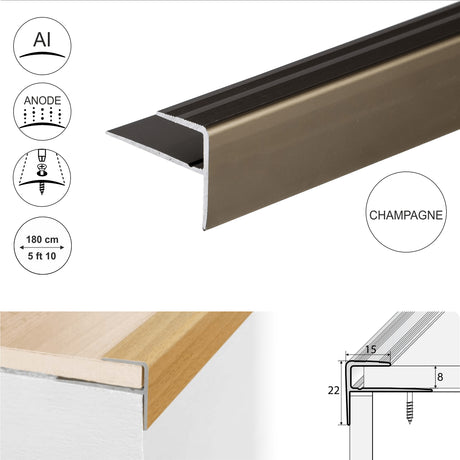
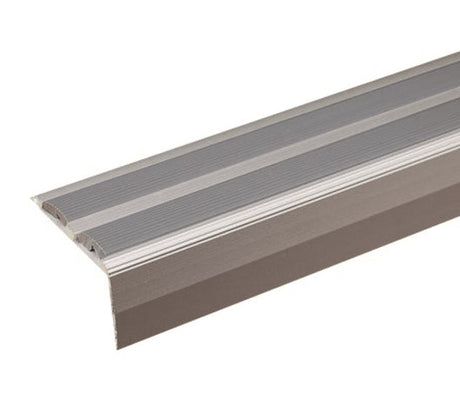
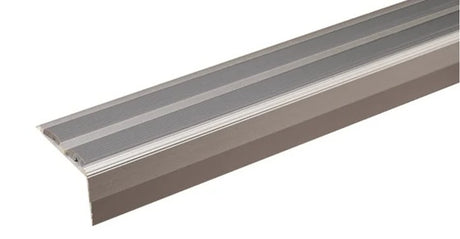
Ribbed treads have grooves machined along the length of the profile. The ribs break surface tension underfoot and give reliable grip in a domestic or light commercial setting. There is nothing to wear out or replace.
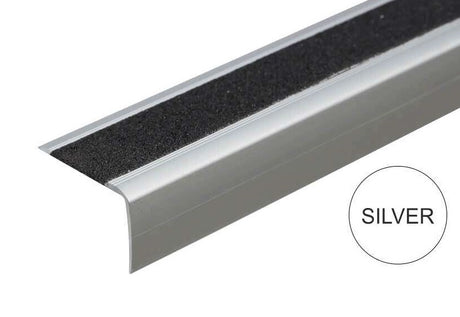
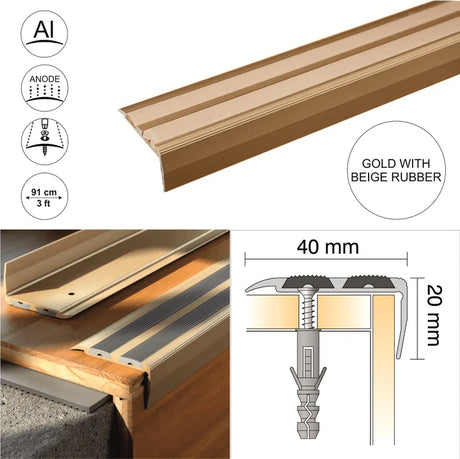
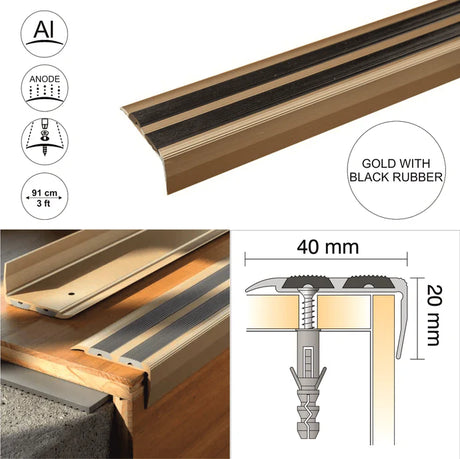
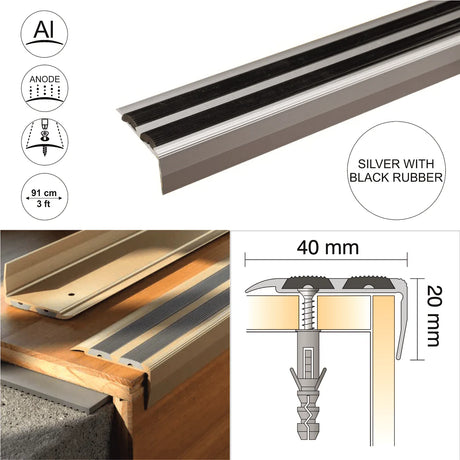
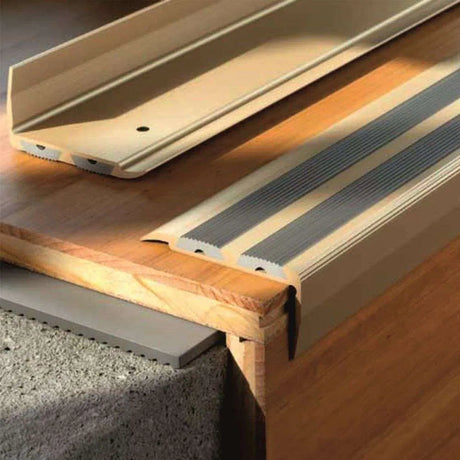
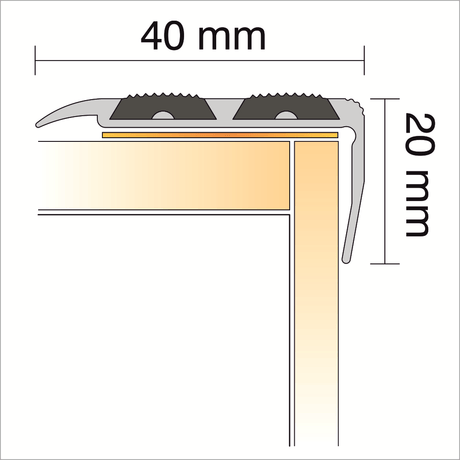
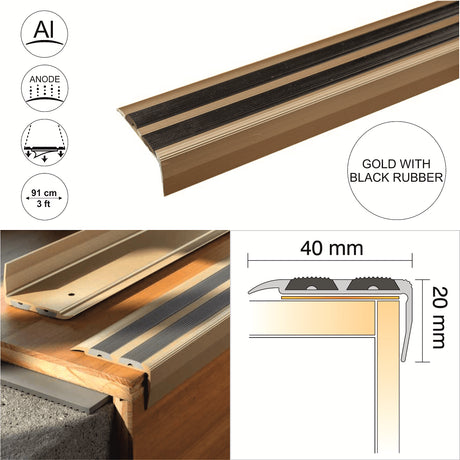
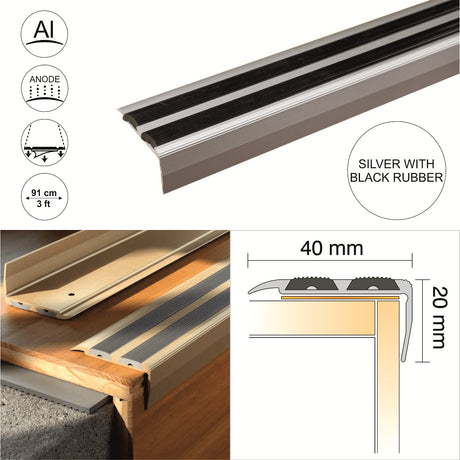
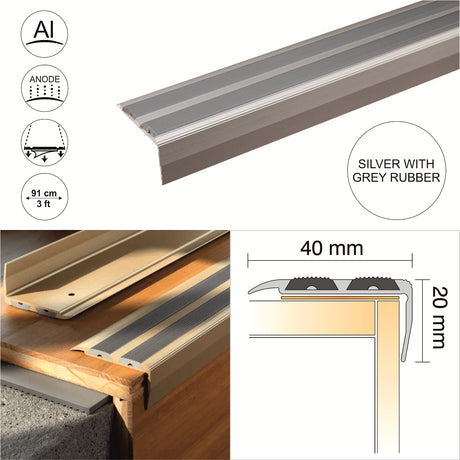
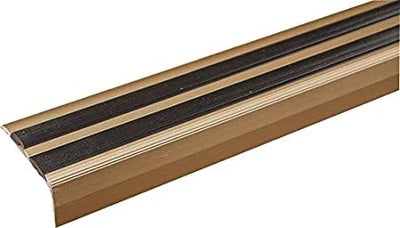
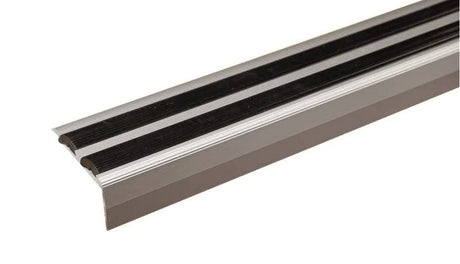
Rubber inserts sit in a channel along the tread and give noticeably more grip than ribs alone. The insert is replaceable, so a heavily used staircase can be refreshed without removing the profile. This is the usual specification for schools, offices, hospitals and public stairwells. See stair nosing with rubber inserts.
Plain or lightly textured profiles suit low-traffic stairs where appearance matters more than grip — a feature staircase in a home, for example.
Aluminium Stair Nosing Finishes
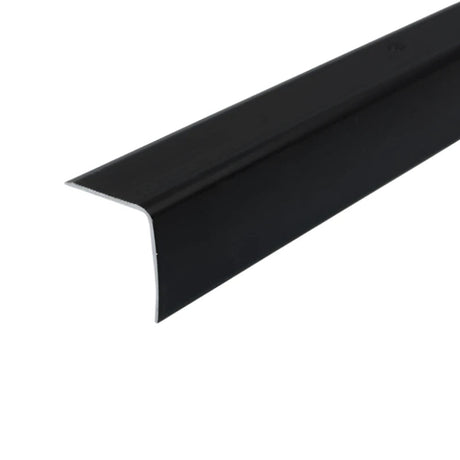
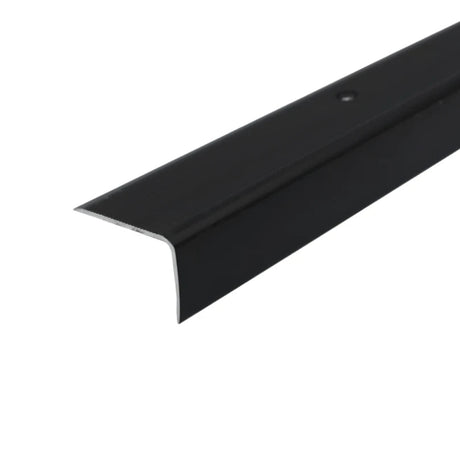
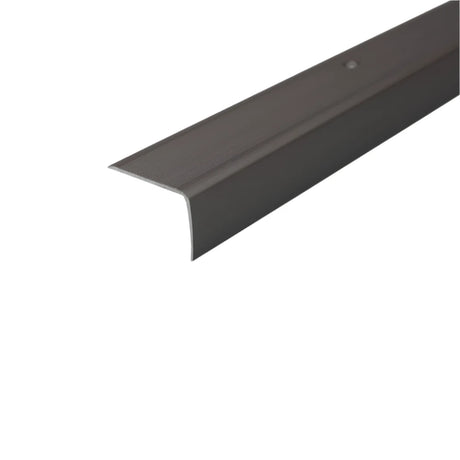
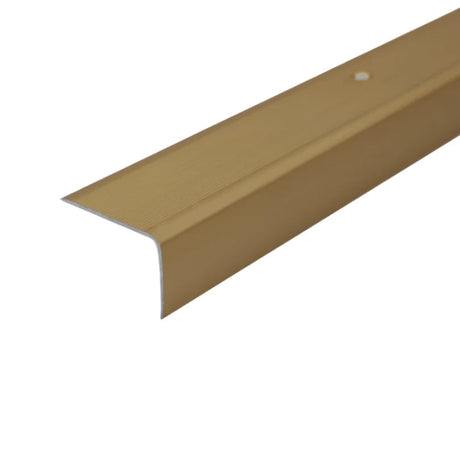
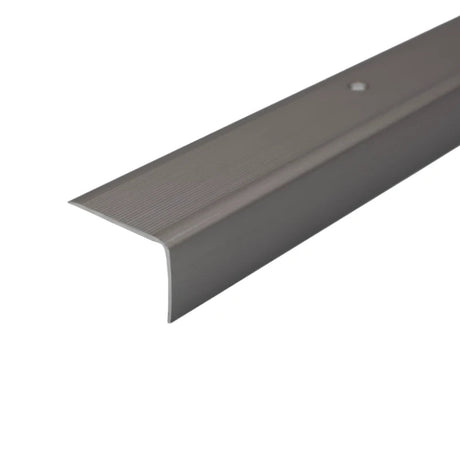
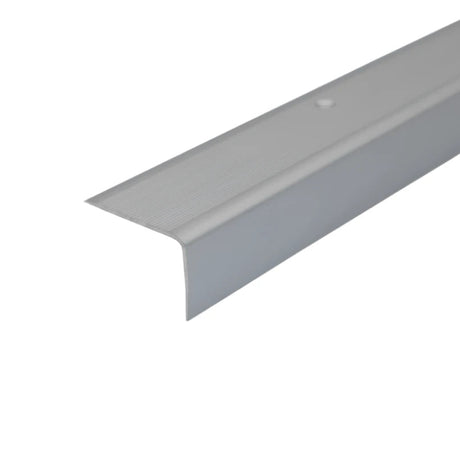
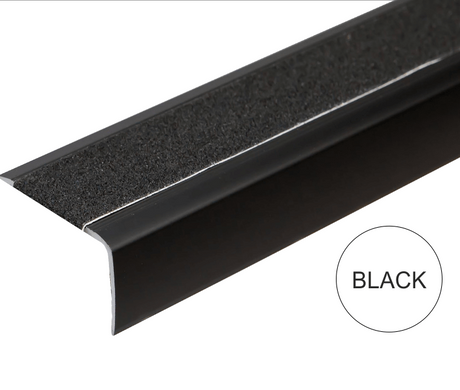
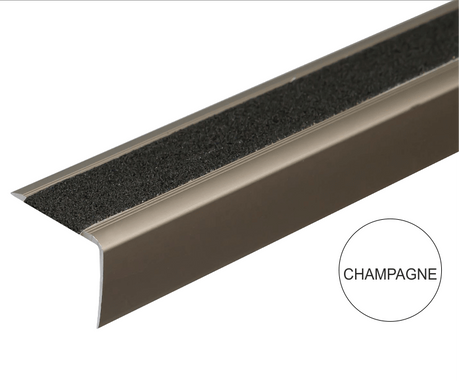
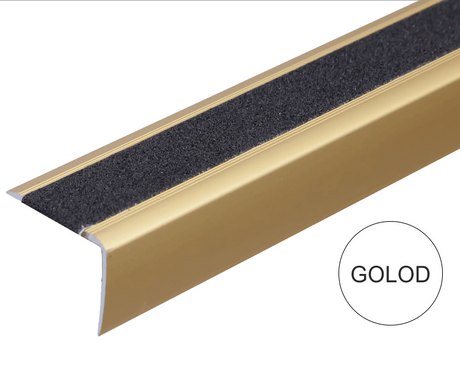
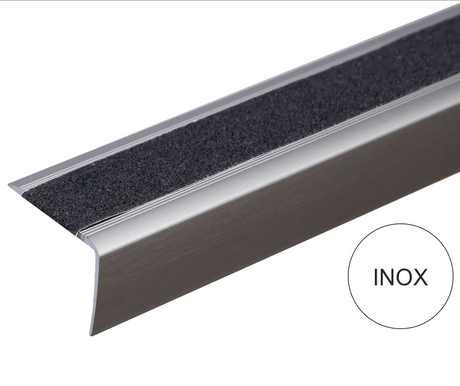
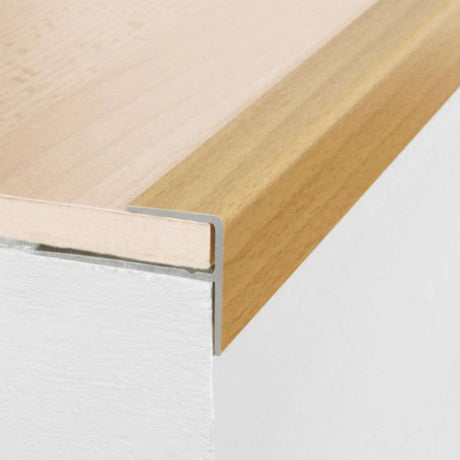
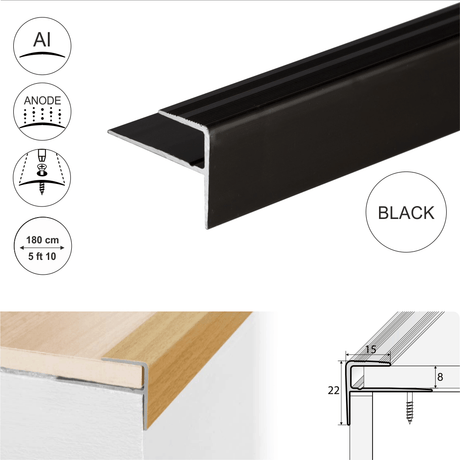
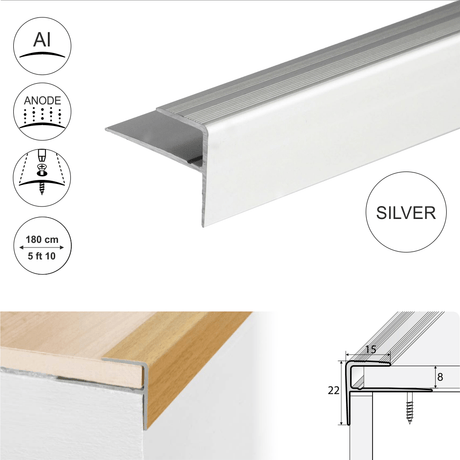
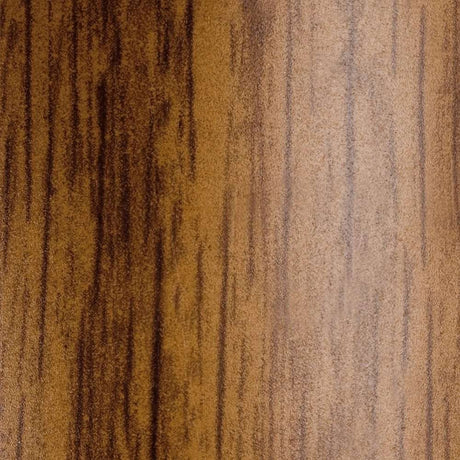
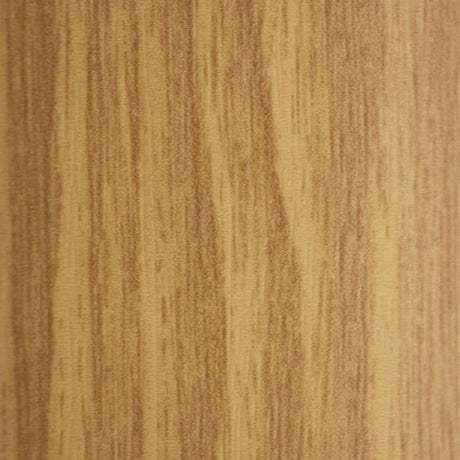
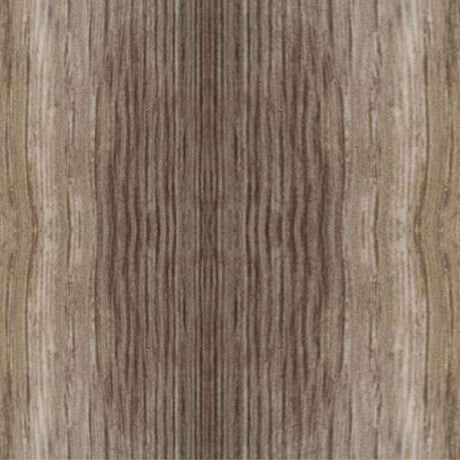
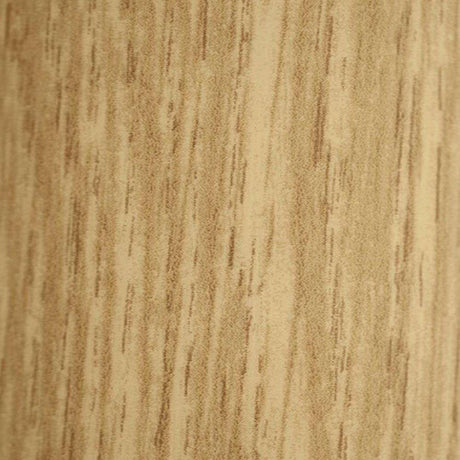
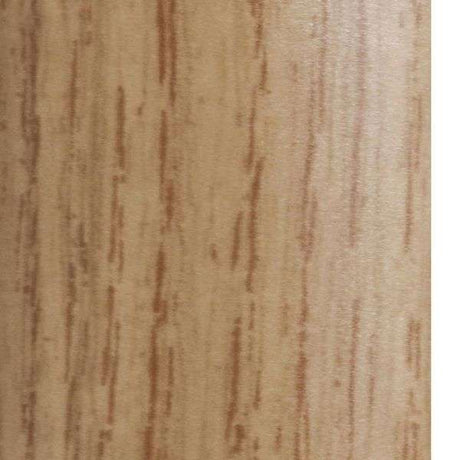
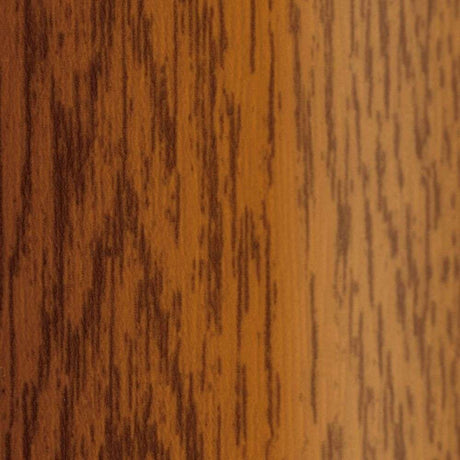
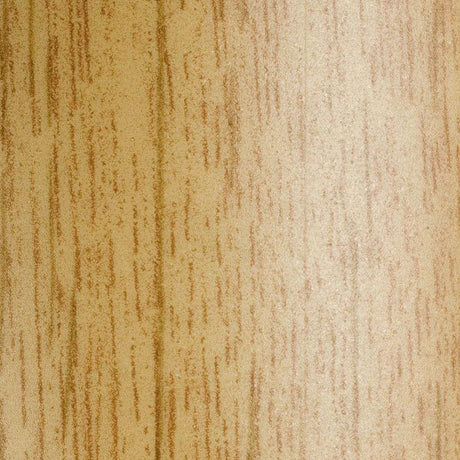
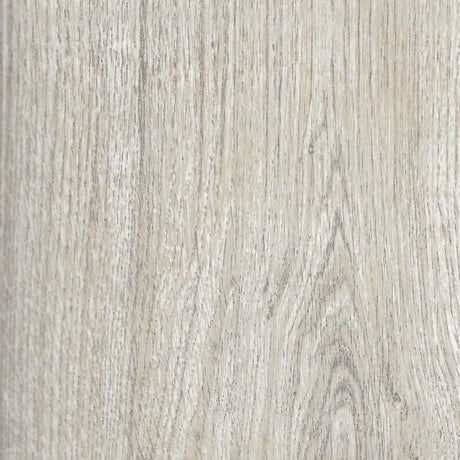
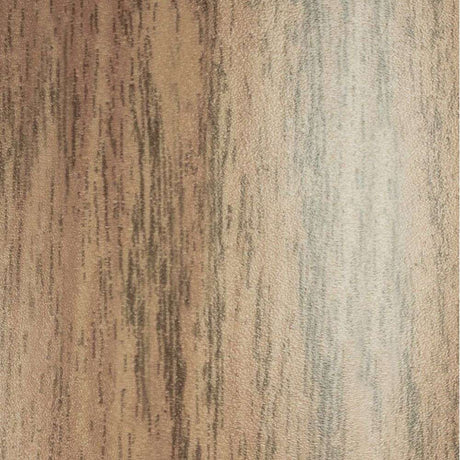
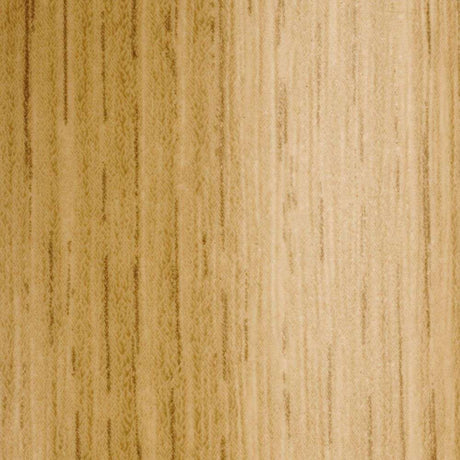
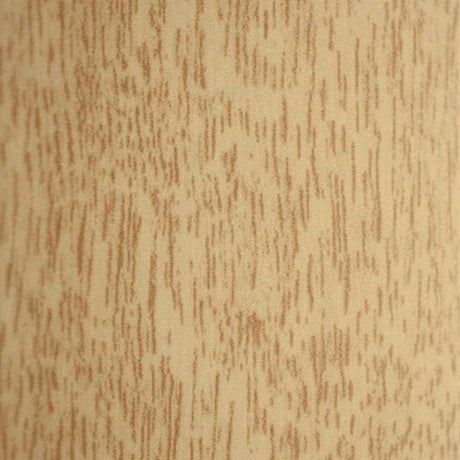
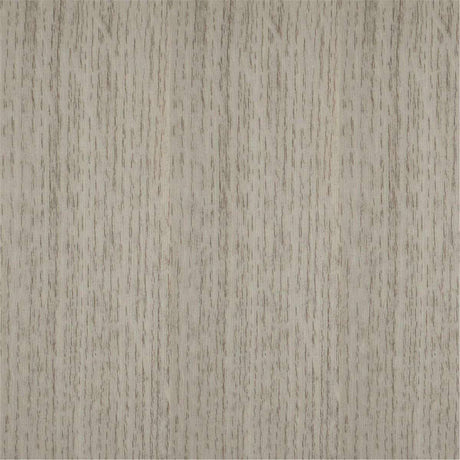
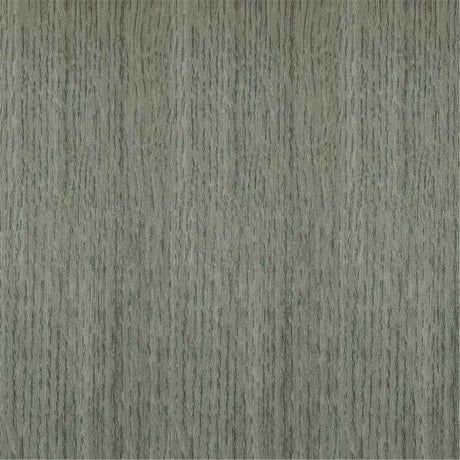
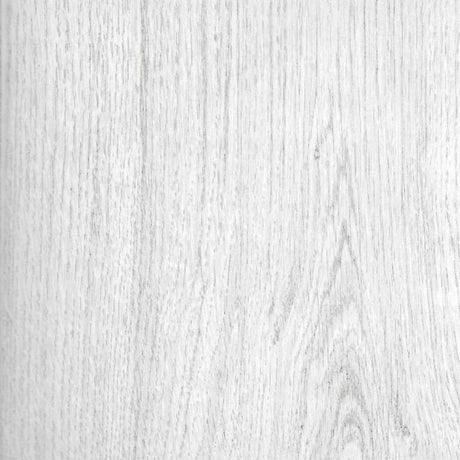
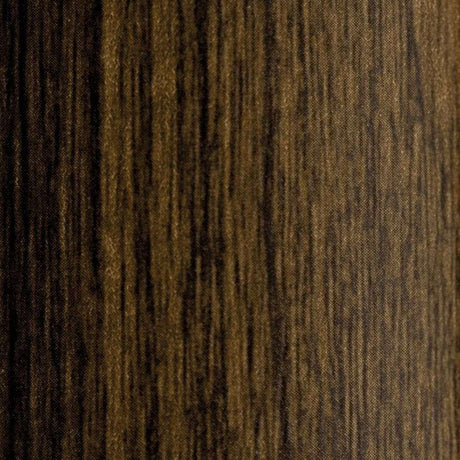
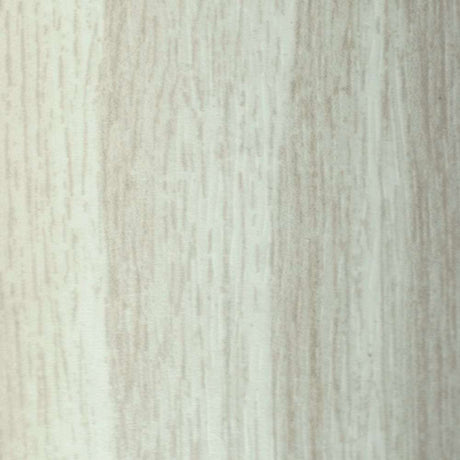
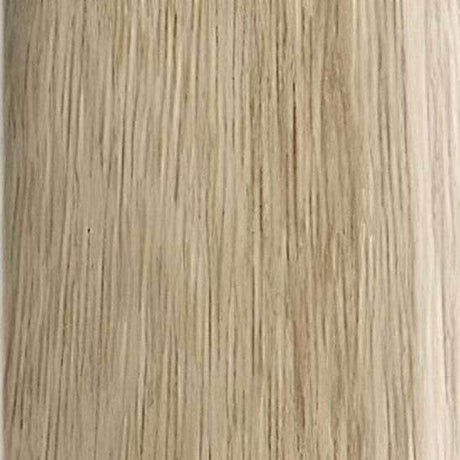
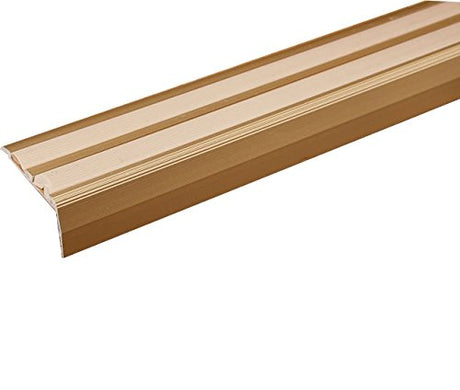
Anodised aluminium is available in Silver, Gold, Black, Champagne and Inox, plus wood-effect finishes for stairs where a metal edge would look out of place.
Colour is not only a decorative choice. In public and commercial buildings the step edge is expected to contrast visibly with the tread and riser, so a dark profile on pale steps, or a light profile on dark steps, does two jobs at once. On domestic stairs most people match the profile to the door handles and other metalwork in the hallway.
If you are unsure how a finish will look against your flooring, sample lengths are available on several profiles.
Screw Fix and Self-Adhesive
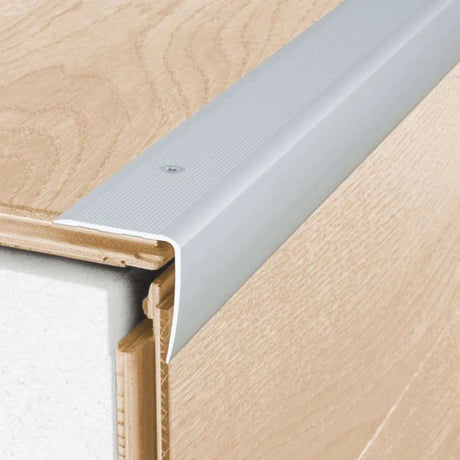
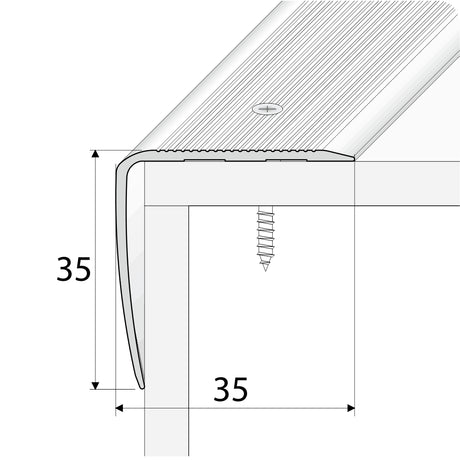
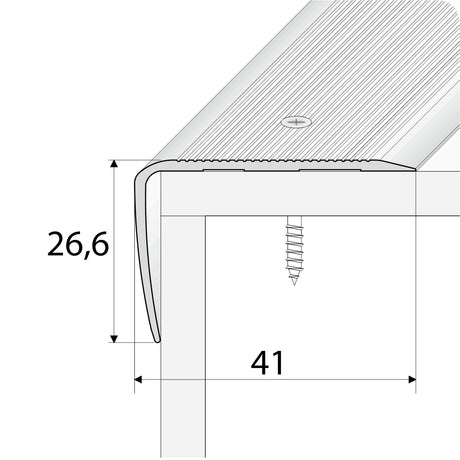
Screw-fix profiles are pre-drilled and fixed through into the step. This is the strongest method and the one to use on stairs in daily use, on older stairs where the surface is uneven, and anywhere the nosing has to meet a specification. Screws and plugs are included.
Self-adhesive profiles have a high-bond tape backing and need no drilling, which makes them suitable for rented properties, quick refurbishments and stairs where drilling is not possible. The step edge must be clean, dry, flat and free of dust for the bond to hold.
Both types cut with a fine-tooth hacksaw or a mitre saw fitted with a non-ferrous blade. Cut slowly, deburr the edge with a file, and the anodised finish will not mark.
Which Size Do I Need?
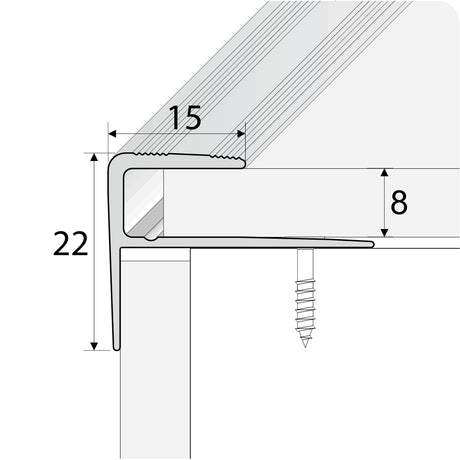
Profiles are listed as two figures — the depth across the tread and the depth down the riser. A 36 x 20mm profile covers 36mm of the walking surface and 20mm of the vertical face below it.
Start by measuring the thickness of your floor covering, then check how much of the step edge is exposed. Slim profiles suit laminate, vinyl and LVT in homes; mid-range profiles suit carpet and general domestic use; deeper profiles suit commercial stairs and bare concrete. Standard lengths are 0.9m, 1.8m and 2.7m, and a cut-to-size service is available if you need exact lengths — send us your measurements.
Caring for an Anodised Finish
Anodised aluminium needs very little. Wipe with a damp cloth and a mild detergent. Avoid abrasive pads, scouring cream and anything containing bleach or strong solvents — these attack the anodised layer, and once it is damaged the mark is permanent. On rubber-insert profiles, lift and replace the insert rather than scrubbing it.
Common Questions
Will aluminium stair nosing rust?
No. Aluminium does not contain iron, so it does not rust. Outdoors it can dull over time; for external steps see our external stair nosing range.
Can I fit aluminium nosing over existing carpet or laminate?
Yes, and most refurbishment work does exactly that. Choose a profile deep enough to sit over the covering and hold its edge down.
Is aluminium slippery underfoot?
A plain aluminium surface offers little grip, which is why our profiles are ribbed or fitted with rubber inserts. For wet areas or heavy traffic, choose a rubber-insert profile.
How do I cut it to length?
A fine-tooth hacksaw or a mitre saw with a non-ferrous blade. Measure the widest step, as staircases are rarely perfectly square, and file the cut edge smooth.
Do you supply trade quantities?
Yes. Builders, fitters and contractors can apply for a trade account for volume pricing and priority dispatch.